

Run the text through an AI detector such as GPTZero or Pangram, read the score alongside five manual signals — uniform sentence rhythm, generic transitions, vague attribution, missing specifics, and oddly flawless grammar — and treat the combined result as an indication, never a verdict. Detectors catch most raw AI text, but rewriting tools cut their accuracy dramatically, and they flag human writing too.
How to Check If Something Was Written by AI: Methods and Limits
How to Check If Something Was Written by AI with Detector Tools
Detectors estimate how "predictable" a text is to a language model, and that is the entire trick. AI models pick the statistically safest next word, so their output tends to be smooth, even, and unremarkable; humans take detours. The main tools in 2026:
GPTZero. The most cited education tool; highlights sentences sentence-by-sentence and offers a free tier for quick checks.
Pangram. Newer and notably strong against false positives — independent testing found no false flags on hundreds of purely human articles, and its accuracy on raw AI text tops 98%.
Originality.AI and Copyleaks. Popular with publishers and editors; both combine AI detection with plagiarism checking, which matters because copied human text is a separate problem from generated text.
Free web checkers (ZeroGPT and similar). Fine for a first glance, but their scores swing between runs and should never support a serious accusation.
A typical workflow: paste the text or upload the document, run the scan, then read the highlighted sentences rather than trusting the single percentage at the top.
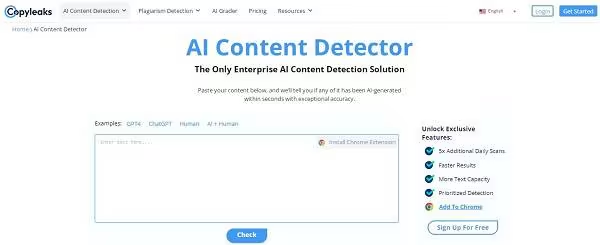
Copyleaks AI Content Detector page ready for a text scan
Five Manual Signs a Text Was Written by AI
Tools are only half the check. Trained readers — and these days, many editors — catch AI text with signals no scanner reports:
Uniform rhythm. Sentence after sentence of the same length and cadence. Human writing breathes; generated writing hums.
Generic transitions. "Moreover", "In conclusion", "It is important to note" doing heavy lifting without carrying any information.
Vague attribution. "Experts say", "studies show", "many believe" — never named, never dated, never linked.
Missing specifics. The text describes a topic perfectly and says nothing that could only come from someone who did the work.
Flawless surface, empty center. No typos, no opinions, no risk — prose so safe it reads like no one wrote it.
None of these signals is proof alone. A careful human writer hits all five, which is exactly why detection should start a conversation, not end one.
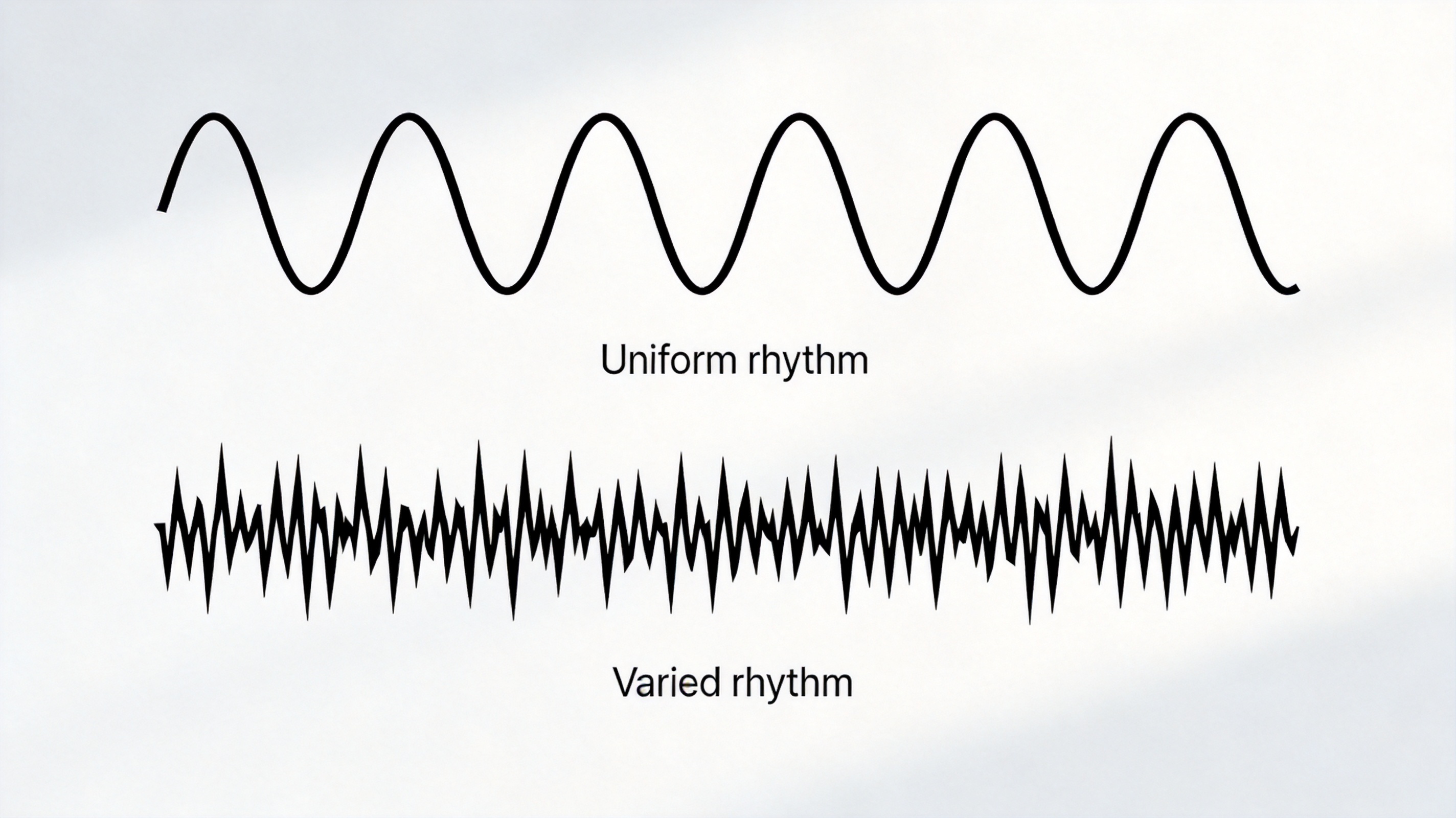
Uniform versus varied writing rhythm
The 2026 Trend: Rewriting Tools Are Beating the Detectors
The landscape shifted hard in the last two years, and anyone still quoting detector accuracy from 2023 is reading a stale map:
Humanizer tools work disturbingly well. In 2026 testing across thousands of samples, rewriting AI text through popular humanizer tools cut top detector accuracy from around 98% to between 41% and 67% — a coin flip with extra steps.
False positives are real and costly. A published novelist had her human-written book flagged 78% AI, and the publisher pulled it. Meanwhile, a study of linguistics experts found they identified AI writing correctly less than 40% of the time — worse than the machines they were judging.
"96% AI" does not mean 96% written by AI. Detectors score stylistic probability, not authorship share. Heavily AI-polished human drafts and carefully written non-native English both skew the number.
The arms race continues. Newest-generation detectors train on mirror text to close the gap, but every improvement on one side eventually meets an answer on the other.
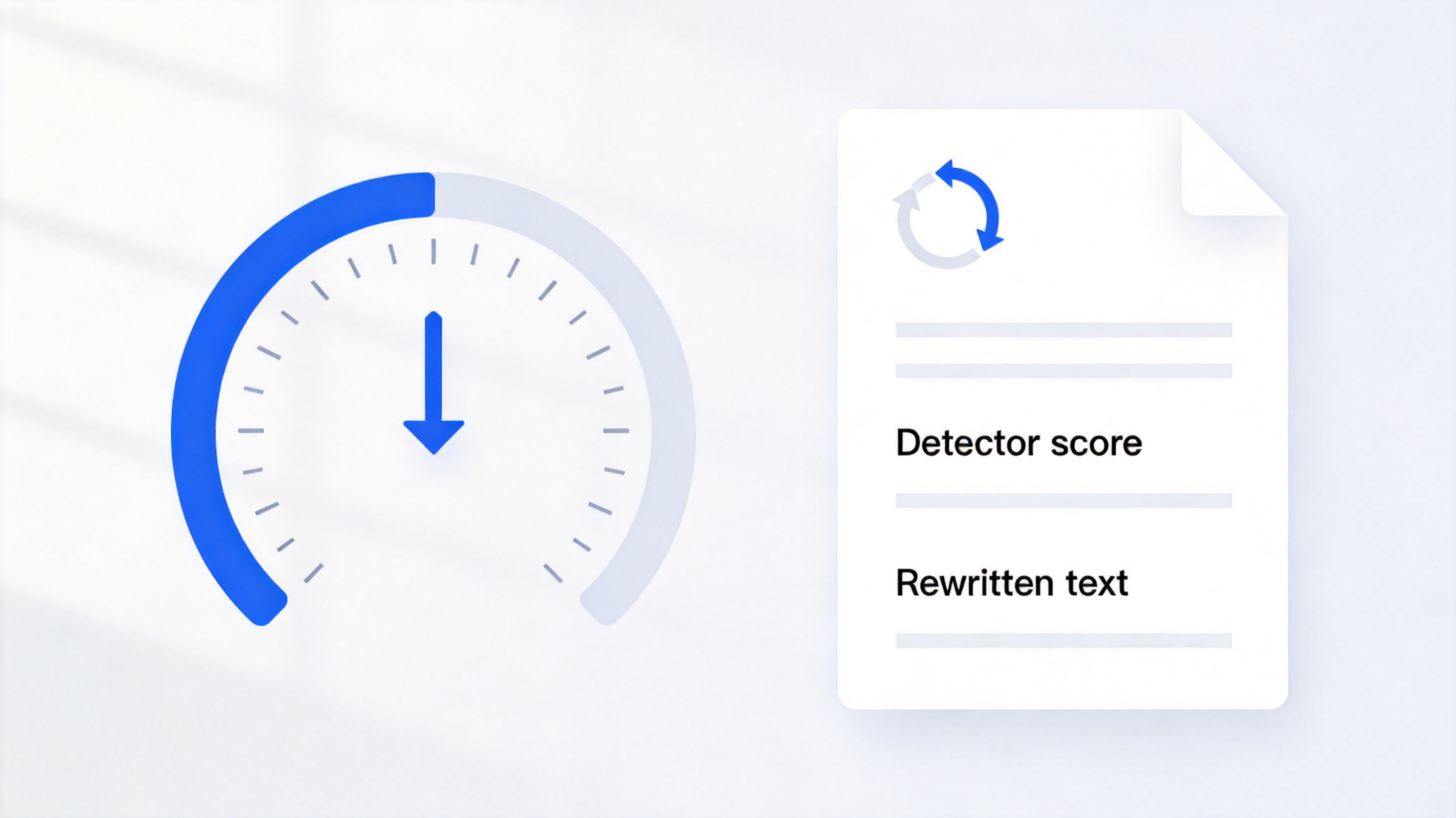
Rewritten text lowers detector scores


Checking Your Own Draft Before Someone Else Runs a Detector
If you used AI for brainstorming or outlining and want to submit with confidence, flip the process around: check yourself before a checker does:
Rewrite flagged sections in your own voice. Open the draft in WPS Writer, replace generic transitions with your own evidence, data, and citations the model skipped.
Add the specifics only you have. Course readings, experiment numbers, personal examples — the exact things detectors do not see and readers do.
Vary sentence length deliberately. Short verdict sentences between long ones fix both the human rhythm and the detector's favorite signal.
Keep your version history. A file named essay-human-rev2.docx with visible edits is worth more than any detector screenshot if your process is ever questioned.
Run one detector as a smoke test, then ignore the exact number and read which sentences got highlighted — those are your thinnest paragraphs.
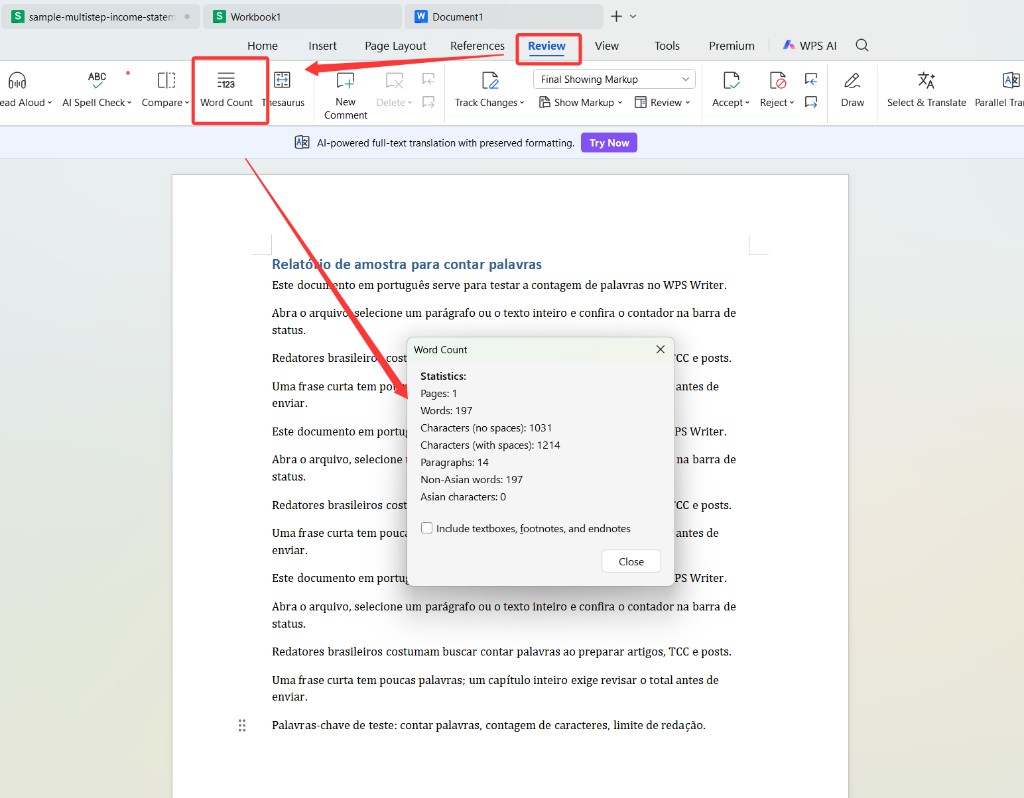
Word count in WPS Writer status bar
The Best Free Office Alternative: WPS Office
Whether you are the one checking or the one being checked, the work happens in a document — and that document deserves an editor that keeps your process visible:
Track Changes and comments show the human editing path behind every draft, which is increasingly the evidence that matters.
WPS AI assists honestly — grammar checks, rewrites, and summaries inside the file, used with your name on the disclosure line.
Version-friendly file handling keeps .docx formatting intact through every revision round.
Free on desktop, web, and mobile, so drafts stay in one place from outline to submission.
A detector score is a single data point; a documented writing process is a defense. WPS Office helps you build the second one, free on every platform.
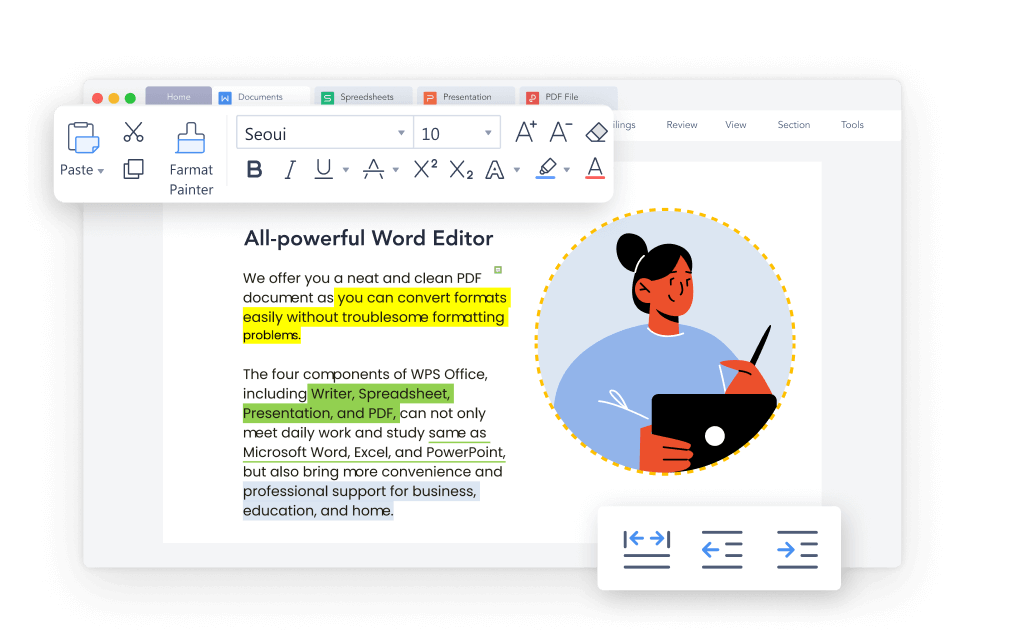
WPS Writer editing interface
FAQs
Can AI detectors be wrong about human writing?
Yes, regularly. Non-native English speakers, writers with formal academic style, and even published novelists have been flagged for text they wrote themselves. In independent 2026 testing, every detector platform flagged some human documents, which is why a flag should start a conversation rather than end one.
What is the most accurate AI detector right now?
On raw, unmodified AI text, the top tools catch 96–98% of samples. Pangram and GPTZero lead most independent benchmarks, but accuracy drops sharply once text has been rewritten by humanizer tools — down to 41–67% in the same testing.
How can I tell if an essay was written by AI without a tool?
Read for the five signals: uniform sentence rhythm, generic transitions, vague attribution, missing specifics, and a flawless but empty surface. Ask about process, too — writers who did the work can explain their choices and show their drafts.
Why do different AI detectors give different scores?
They train on different samples and measure different features, and detection is probabilistic, not factual. The same text can score 10% on one tool and 70% on another, and the same tool can give different scores across runs.
Is using AI to write an essay cheating?
It depends entirely on the policy of the school, publisher, or employer — and increasingly on how you disclose it. Using AI for brainstorming with disclosure is usually acceptable; submitting generated text as your own work usually is not. Read the policy first, not the detector.