


A letter of intent (LOI) is a short document that declares your serious interest in a deal, a job, or a partnership before the final contract exists — usually non-binding, and usually one page. This guide breaks down exactly what an LOI contains, when it beats other documents, and how to write one step by step with a template.

What Is a Letter of Intent? Meaning, Uses, and How to Write One
What is a letter of intent used for
An LOI appears wherever two parties want momentum before paperwork: buying or selling a business, leasing commercial space, forming a partnership, applying to a graduate program, or expressing interest in a company that has not posted the right job yet. It frames the key terms, shows commitment, and sets the agenda for negotiation or due diligence.
Most LOIs are explicitly non-binding — they record intent, not obligations. The exceptions matter, though: confidentiality, exclusivity, and governing-law clauses are often written to bind, so read every line before signing.
The document flexes with the context. In business purchases it reads like a term sheet in prose: price, assets included, deposit, and the due-diligence window. In real estate it can lock in an exclusivity period while the buyer arranges financing. In careers it works like a proactive pitch, and in school admissions it states your research direction and commitment to enroll if accepted. The bones stay identical — only the "key terms" section changes shape.
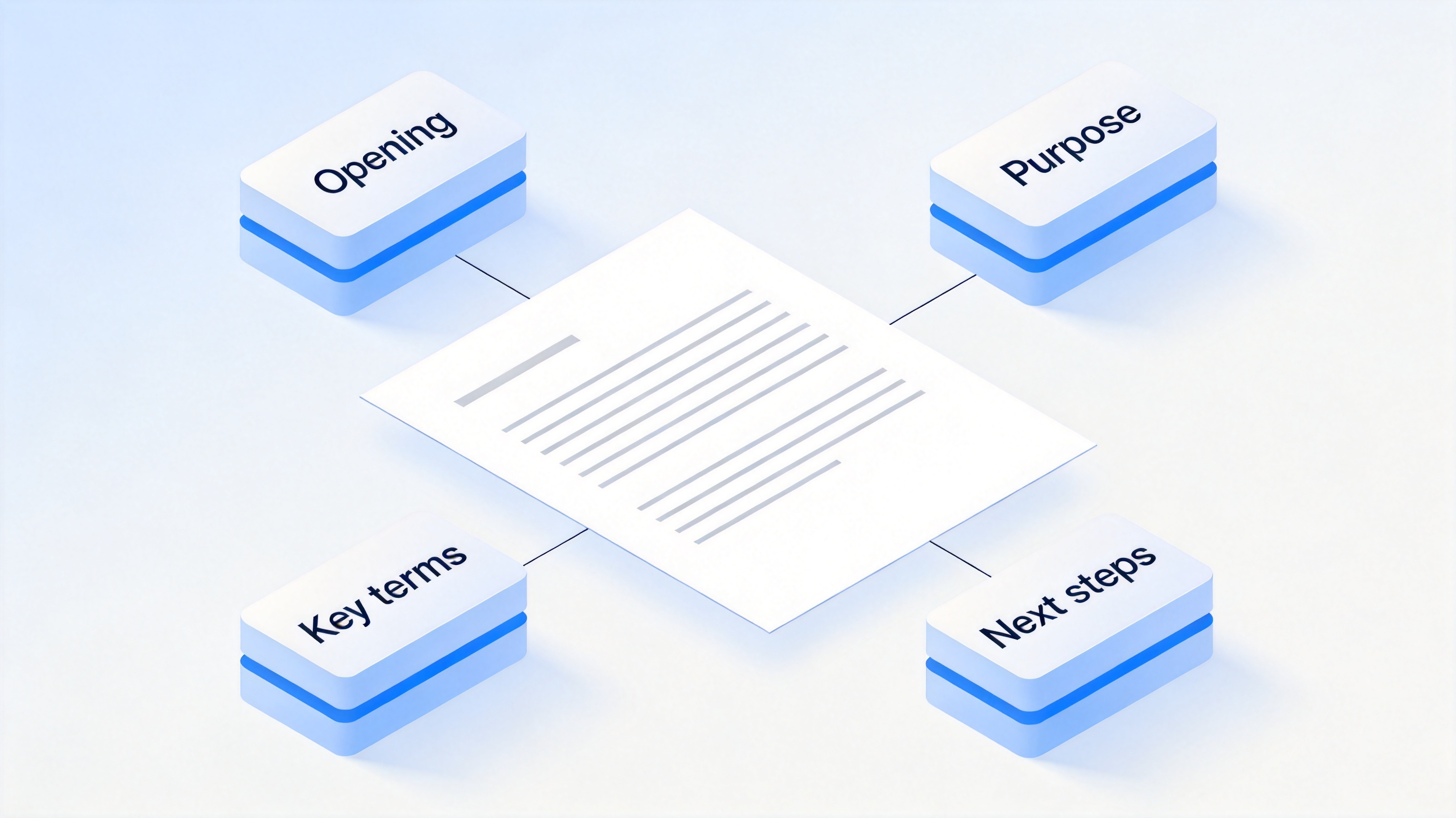
What a letter of intent contains


Letter of intent vs cover letter
People mix these up constantly in job searching. A cover letter responds to a specific opening; a letter of intent opens a conversation where no suitable role exists yet. The LOI is broader — it targets the company, its direction, and where you would fit — while the cover letter targets one job description.
Use an LOI at career fairs, after meeting someone internally, or when a company you admire hires in adjacent roles. Use a cover letter for every actual application.
Timing differs too. Send an LOI before anything is posted — after a career fair conversation, an internal referral, or a quarter of watching a company grow in your specialty. A cover letter only exists once a posting does. Sending a strong LOI to a hiring manager in a quiet month often lands better than one more application in a crowded applicant pool.
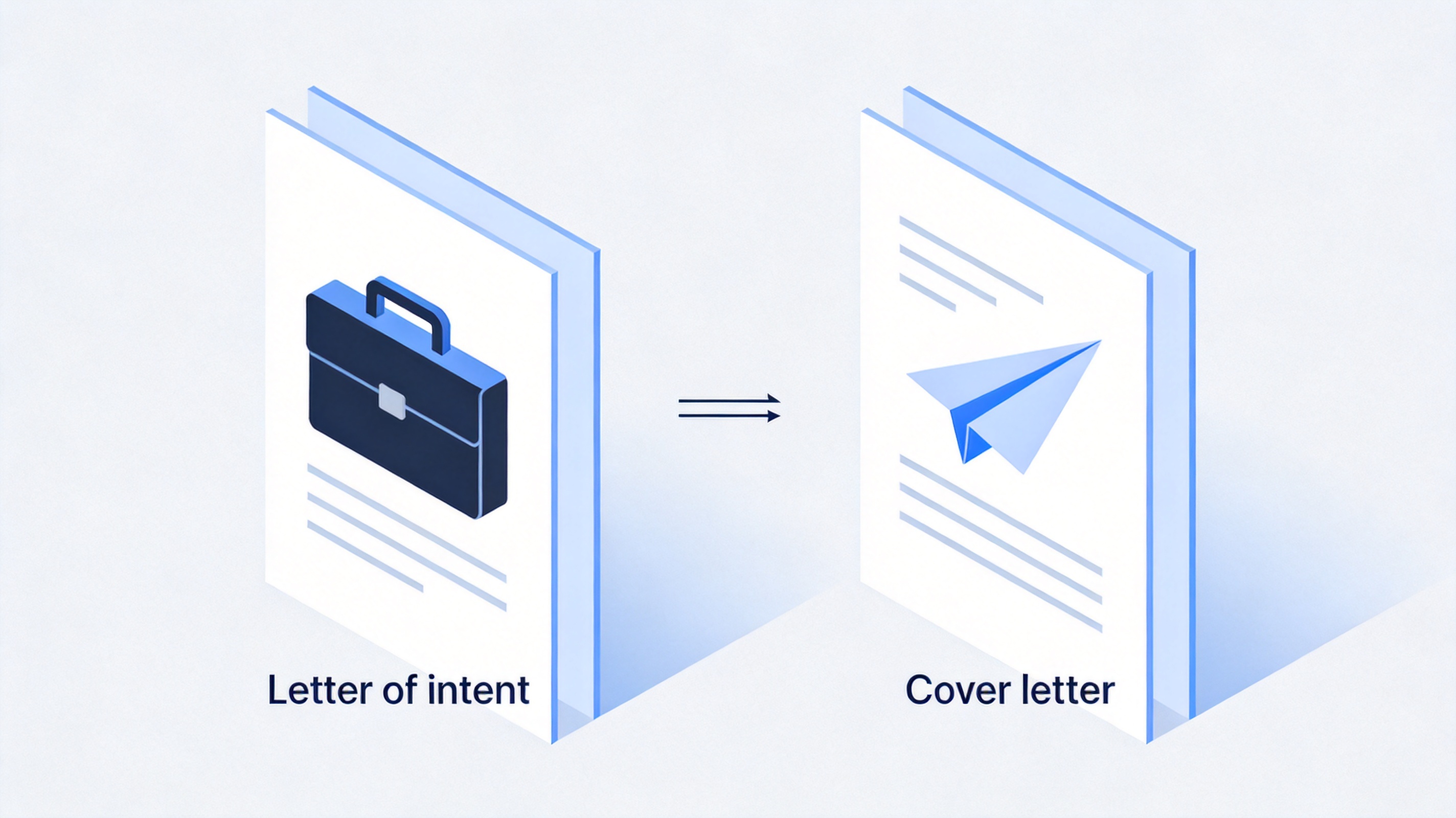
Letter of intent versus cover letter
What to include in a letter of intent
Whether the LOI is business or career-oriented, the skeleton is the same four parts:
Opening. Who you are, and in one sentence, what you are proposing or requesting.
Purpose. Why this company, this deal, or this school — with one specific detail that proves you did research.
Key terms or value. For deals: price range, timeline, conditions. For jobs: two or three proof points that map your skills to their needs.
Next steps. A concrete ask — a meeting, a call, a site visit — and the binding status of the letter.
Keep the whole thing under one page. Busy readers decide in the first three lines whether to continue.
How to write a letter of intent step by step
Research first. Review the company's site, recent news, and open roles so your purpose section cites something real.
Start from a template. A proven structure saves an hour — browse these free letter of intent templates and pick the business or career version that matches your case.
Write the opening and purpose. Name the specific role, property, or partnership in your first two sentences.
List key terms or qualifications. Use bullets for scanability; numbers beat adjectives.
State the binding status. One line: which clauses, if any, are binding, and that a formal agreement will follow.
Close with a next step. Propose a specific date or action, sign, and export to PDF before sending.
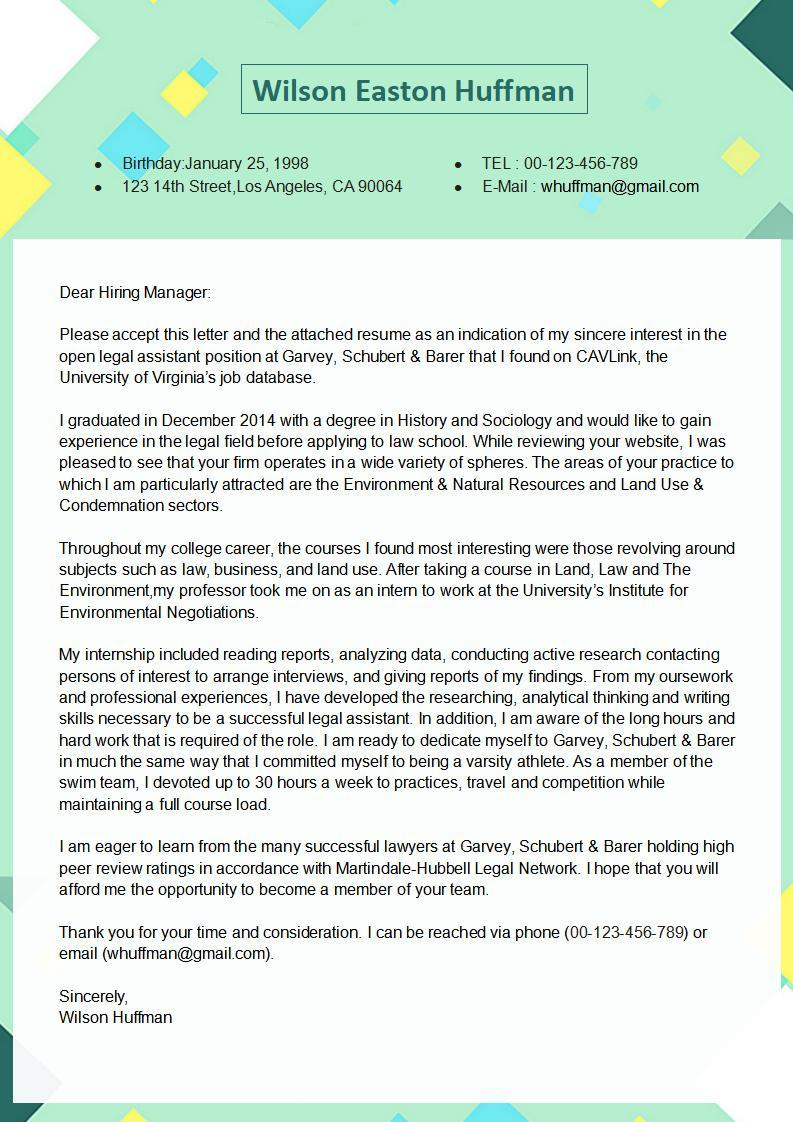
Letter of intent template example
Letter of intent mistakes to avoid
Four mistakes account for most rejected or ignored LOIs. First, vagueness: "we would like to explore opportunities" commits to nothing — name the deal, the role, or the program. Second, binding ambiguity: leaving out the non-binding clause can accidentally create obligations, and courts have read signed LOIs as contracts when they contained every essential term.
Third, overreach: asking for exclusivity or a long negotiation window in a first letter makes the other side reach for their lawyer instead of their calendar. Fourth, skipping the research detail — one sentence that proves you know their business outperforms a page of adjectives. Fix those four and even a modest LOI reads like a serious counterpart.
The Best Free Alternative: WPS Writer
WPS Writer handles the entire LOI workflow free: open any Word template, replace the bracketed fields, check tone with built-in spelling and grammar review, and export a clean PDF with one click.
Because WPS reads .docx without conversion issues, templates from any source open correctly, and the PDF you send keeps its formatting on every device. When the other party returns redlines, edit and re-export in minutes.
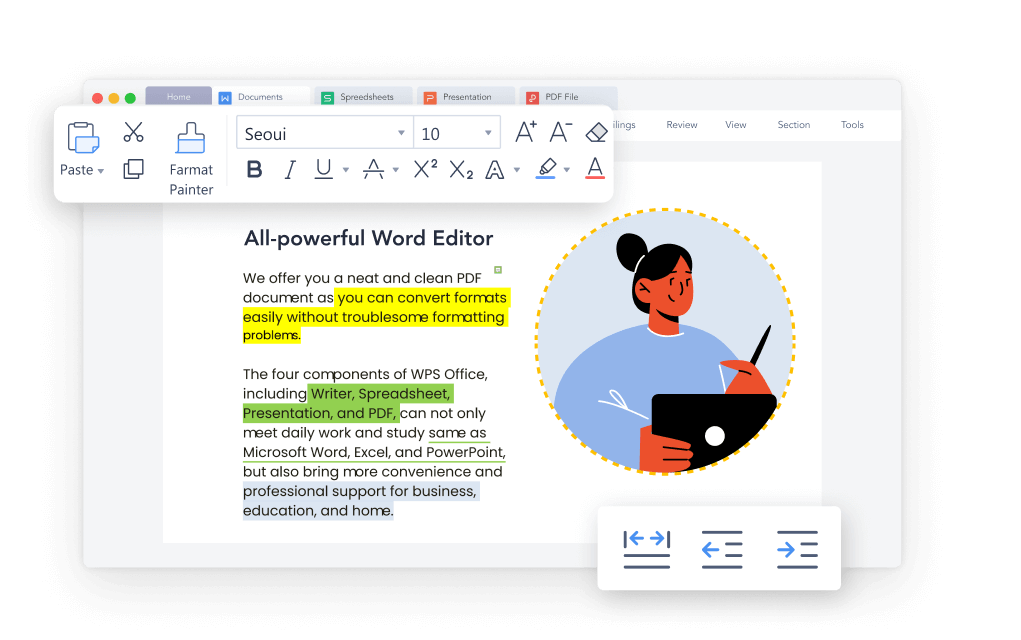
Write and export an LOI in WPS Writer
FAQs
Is a letter of intent legally binding?
Usually no, but specific clauses like confidentiality and exclusivity often are. The letter should say which parts bind; if it does not, assume nothing binds except what the law implies.
How long should a letter of intent be?
One page for career and simple business LOIs. Complex acquisitions run longer, but the summary of terms still fits on page one.
Can I write a letter of intent for grad school?
Yes — programs often request one. Focus on research interests, why that department, and what you bring; the structure in this guide applies directly.
Should an LOI be sent as PDF or Word?
PDF. It locks formatting and prevents accidental edits. Export from your word processor after final proofreading.
What happens after an LOI is signed?
The parties proceed to due diligence and negotiate the definitive agreement, using the LOI's terms as the agreed starting point.