

'%3e%3cpath%20d='M8%200C12.4183%200%2016%203.58172%2016%208C16%2012.4183%2012.4183%2016%208%2016C3.58172%2016%200%2012.4183%200%208C0%203.58172%203.58172%200%208%200ZM11.6162%204.38379C11.2257%203.99337%2010.5927%203.99338%2010.2021%204.38379L8%206.58594L5.79785%204.38379C5.40732%203.99334%204.77429%203.99329%204.38379%204.38379C3.99331%204.77429%203.99335%205.40733%204.38379%205.79785L6.58594%208L4.38379%2010.2021C3.99348%2010.5927%203.99341%2011.2257%204.38379%2011.6162C4.77426%2012.0066%205.40734%2012.0065%205.79785%2011.6162L8%209.41406L10.2021%2011.6162C10.5927%2012.0066%2011.2257%2012.0067%2011.6162%2011.6162C12.0067%2011.2257%2012.0066%2010.5927%2011.6162%2010.2021L9.41406%208L11.6162%205.79785C12.0066%205.40735%2012.0066%204.77429%2011.6162%204.38379Z'%20fill='%23080E17'%20fill-opacity='0.46'/%3e%3c/g%3e%3cdefs%3e%3cclipPath%20id='clip0_3761_713'%3e%3crect%20width='16'%20height='16'%20fill='white'/%3e%3c/clipPath%3e%3c/defs%3e%3c/svg%3e)



'%3e%3cpath%20fill-rule='evenodd'%20clip-rule='evenodd'%20d='M21.4999%2010.9993C21.4999%205.20009%2016.7986%200.498901%2010.9993%200.498901C5.19994%200.498901%200.498657%205.20009%200.498657%2010.9993C0.498657%2016.2404%204.33858%2020.5844%209.35855%2021.3722V14.0346H6.69238V10.9993H9.35855V8.68594C9.35855%206.05427%2010.9262%204.60062%2013.3248%204.60062C14.4736%204.60062%2015.6753%204.80571%2015.6753%204.80571V7.38979H14.3512C13.0468%207.38979%2012.64%208.19921%2012.64%209.0296V10.9993H15.5523L15.0867%2014.0346H12.64V21.3722C17.66%2020.5844%2021.4999%2016.2404%2021.4999%2010.9993Z'%20fill='%231568EA'/%3e%3c/g%3e%3c/svg%3e)


'%3e%3cpath%20d='M2.42045%2022.1876H6.31818V12.7217L0.75%208.54553V20.5171C0.75%2021.4414%201.49892%2022.1876%202.42045%2022.1876Z'%20fill='%234285F4'/%3e%3cpath%20d='M19.682%2022.1876H23.5797C24.5041%2022.1876%2025.2502%2021.4387%2025.2502%2020.5171V8.54553L19.682%2012.7217'%20fill='%2334A853'/%3e%3cpath%20d='M19.682%205.48293V12.7216L25.2502%208.54543V6.31816C25.2502%204.25236%2022.8921%203.07469%2021.2411%204.31361'%20fill='%23FBBC04'/%3e%3cpath%20d='M6.31824%2012.7217V5.48303L13.0001%2010.4944L19.6819%205.48303V12.7217L13.0001%2017.733'%20fill='%23EA4335'/%3e%3cpath%20d='M0.75%206.31816V8.54543L6.31818%2012.7216V5.48293L4.75909%204.31361C3.10534%203.07469%200.75%204.25236%200.75%206.31816Z'%20fill='%23C5221F'/%3e%3c/g%3e%3cdefs%3e%3cclipPath%20id='clip0_2954_7305'%3e%3crect%20width='24.5'%20height='18.375'%20fill='white'%20transform='translate(0.75%203.8125)'/%3e%3c/clipPath%3e%3c/defs%3e%3c/svg%3e)


Despite memorizing countless names, dates, and various events, it often feels impossible to synthesize the information you just learned in an essay. This is a common struggle for many students attempting to construct a complex argument based on historical evidence. This is where the APUSH themes provide a crucial framework. They transform abstract facts into connected narratives that are essential for tackling the high-level analysis required by the AP exam.



About APUSH Themes
Before analyzing any specific time period, it is crucial to understand what a historical theme actually is. Think of the legendary composer John Williams, who wrote dozens of musical themes for the Star Wars series. Most main characters, like Yoda or Princess Leia, have themes that play when they are involved in important events. These recurring motifs help us understand the character's personality and track how they grow and change over time. History themes work exactly the same way.
What is APUSH Themes
A historical theme is essentially a recurring concept or idea that the entire course explores. They serve as the analytical lenses that guide you in understanding change and continuity across different historical periods. This approach helps structure your study by illuminating patterns and showing how different aspects of human history, starting from politics to culture, change over time.
Why the Themes Are Important
This thematic approach allows you to connect different people, time periods, and ideas together because they all relate to a similar core concept. As a result, you might realize that the current debate about how much power the executive branch and federal government have is a fundamental struggle as old as the country itself. This kind of conceptual understanding is far more valuable than memorizing random dates.
Curriculum Framework: The College Board uses the themes to organize the entire course content. This ensures a focused and standardized study path, which is crucial when dealing with such a broad scope of history.
Exam Foundation: Mastering the themes is non-negotiable for success on the AP exam. They directly guide your ability to synthesize information and construct a complex argument, which is required for the Free-Response Questions (FRQs).
The APUSH Historical Themes Explained
If you want a deep Review of APUSH themes, you need to understand what each acronym means and how to apply it. The thematic structure is designed to show how history interconnects. In fact, the College Board describes the eight themes they selected for the course as connective tissue. Below are the APUSH themes college study.
American and National Identity (NAT):
The NAT theme considers who is considered an American and what beliefs Americans have about this identity. It also explores the impact of identity on US government policies, including immigration, citizenship, and foreign policy. This theme explores the long-standing belief of many Americans that America is an exceptional or unique country.
Work, Exchange, and Technology (WXT):
This theme covers all things related to economics. This includes what kinds of jobs are available, how job opportunities have shifted over time, and examines trade (buying and selling goods). Finally, it considers how new inventions and technology have reshaped the economy, including improved productivity and negative effects, like job losses from automation.
Geography and the Environment (GEO):
Geographers study the Earth's surface. This theme emphasizes the importance of physical geography, including soil, climate, and other environmental features. This theme also discusses the impact of land forms (mountains, rivers, and oceans) and the influence of people and changes in the environment over time.
Migration and Settlement (MIG):
This theme analyzes the movement of people to and within the United States. Migration occurs when groups of people move to a new location, and settlement occurs when they decide to stay. These forces influence the people who move, the location they move to, and the location they leave behind.
Politics and Power (PCE):
The PCE theme explores all things related to the government. It focuses on how the Founding Fathers and elected officials shaped the US government. It also explores how activism and various groups use diverse methods to gain power and influence in a long-standing debate over the proper use of governmental power.
America in the World (WOR):
This theme particularly examines the influence of the United States on the world stage and the impact of global events on American society and policy. This theme considers how, after independence, the US government gained influence over global events.
Culture and Society (CUL):
The culture and society theme describes the beliefs, practices, and institutions shared by members of a group. It focuses on three types of group culture, which are American (national) culture, Regional culture (specific to certain areas), and group culture (based on religious beliefs, ethnicity, or life circumstances).
Social Structures (SOC):
This theme explains what connections are typical for groups of people, examining rules and expectations for these relationships. This includes gender roles, family relationships, hierarchies, and discrimination, and how these factors impact politics and economic systems.
Beyond Theory: How to Master APUSH Themes with WPS
Making sense and being a master of these themes can be difficult and complicated. But even if you understand them, applying them effectively to your studies and exam preparation requires a strategic approach. Abstract concepts only turn into high-scoring Free-Response Questions (FRQs) when you have a strategic approach and the right tools to handle the sheer volume of information.
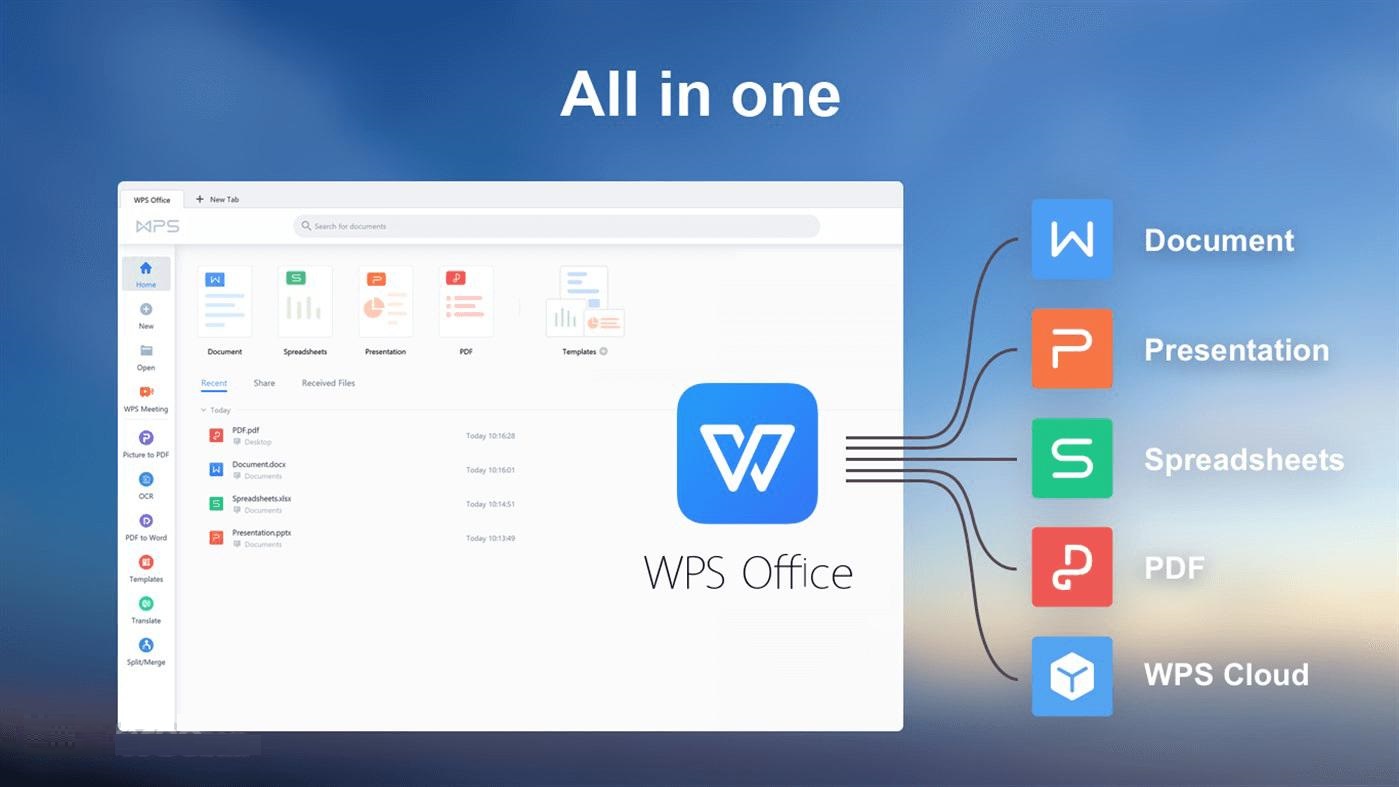
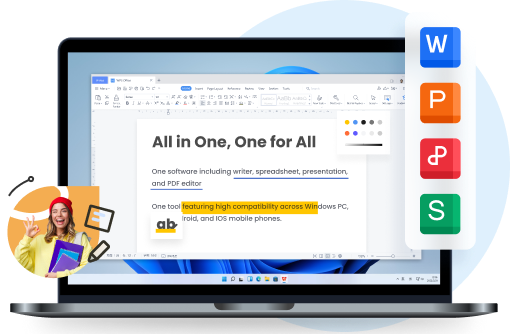
But there are a lot of tools available online, and it can get confusing which one to use to handle the large amounts of data. I personally use WPS Office because of its user-friendly interface. WPS Office is a free, all-in-one productivity suite, designed as a lightweight and powerful alternative to other office software. It's a single application that includes Writer (for Word documents), Spreadsheets (Excel), and Presentation (PowerPoint).
Brainstorming and Structuring Your Essays with WPS Writer
The best way to enhance your essay writing is through organization and focused review. WPS Writer is excellent for this crucial brainstorming phase because it provides several features designed specifically for students. Its unique Mind Map tool is invaluable for visually organizing your complex historical thoughts, allowing you to quickly outline your thesis, topic sentences, and evidence before you start drafting.
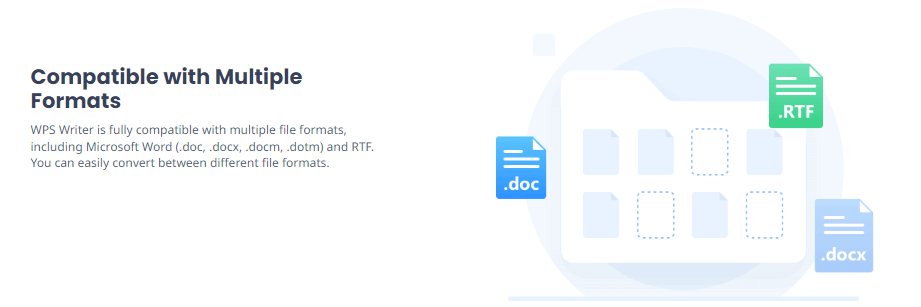
Once you start writing, the Reading View mode allows for distraction-free focus on the content itself. The Reviewing tools are also perfect for tracking changes or collaborating with a study group, and the built-in Citation tool can help you create citations instantly, which saves significant time on academic formatting.
Visualizing Connections with WPS Spreadsheets and Presentations
Visual memory is incredibly powerful, and I find it helps students synthesize historical connections much faster than reading lists. You can use WPS Spreadsheets to build simple timelines because chronology is essential for Change over Time essays.
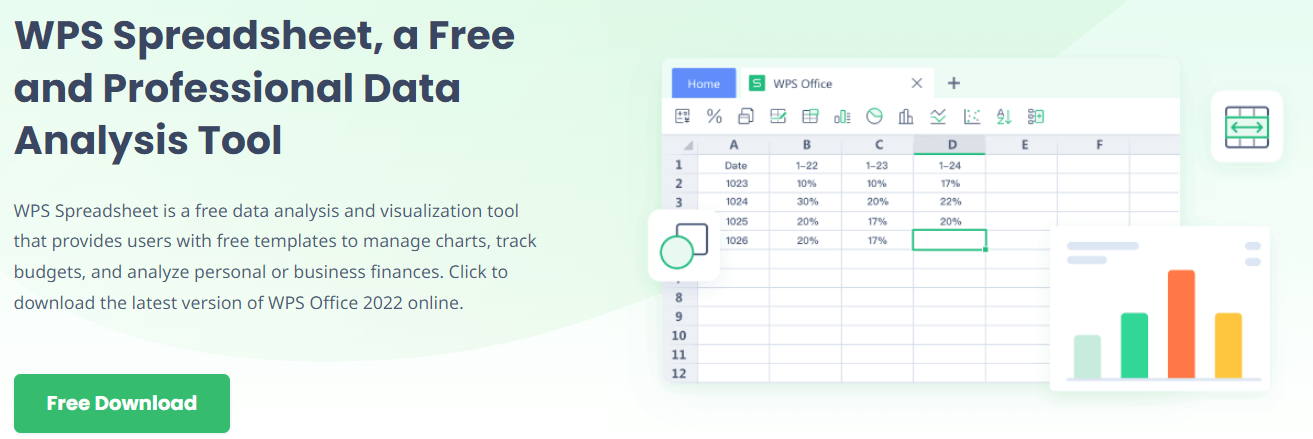
WPS Presentation is also useful to convert complex thematic relationships (like WXT and the Market Revolution) into clean, visual study guides. This allows you to see the patterns and not just read about them.
How To Convert Word to PPT
So you probably wrote your essay in a Word document, but sometimes you might have to deliver it in front of an audience, which you might have to do after following this guide. Then, below, I've put together a step-by-step method on how to convert your Word document to a PPT format.
First, you’ll convert your Word doc into a PDF:
Step 1: First, open WPS Writer from the start menu.
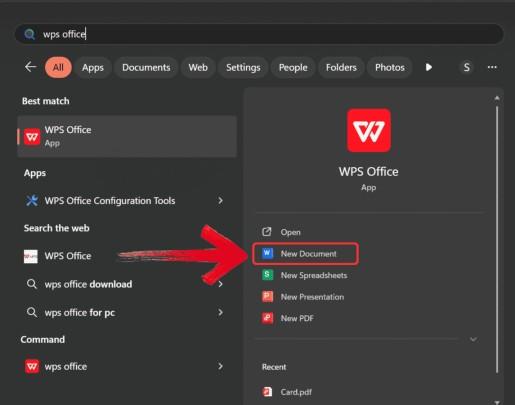
Step 2: Then, open the theme you want to edit in the WPS Writer. Click on the file icon on the top left of your ribbon. There should be no problem in opening the document as it is in docx format.

Step 3: Now, click ‘File’ and then click ‘Export PDF’ to convert your Word file to PDF.
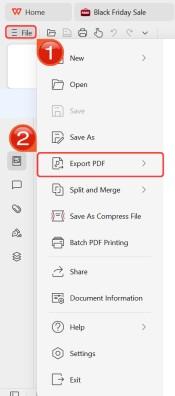
Step 4: Next, just open up your PDF file in WPS Office and click on ‘convert’, and then select ‘PDF to PPT’ from the options above.

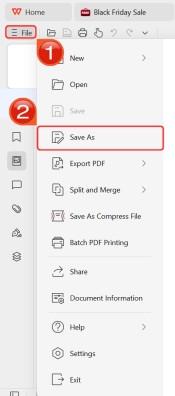
Step 5: Finally, save your converted PPT, click on ‘File’, and then click ‘Save As’ to export the PPT.
Reviewing and Annotating Documents with WPS PDF
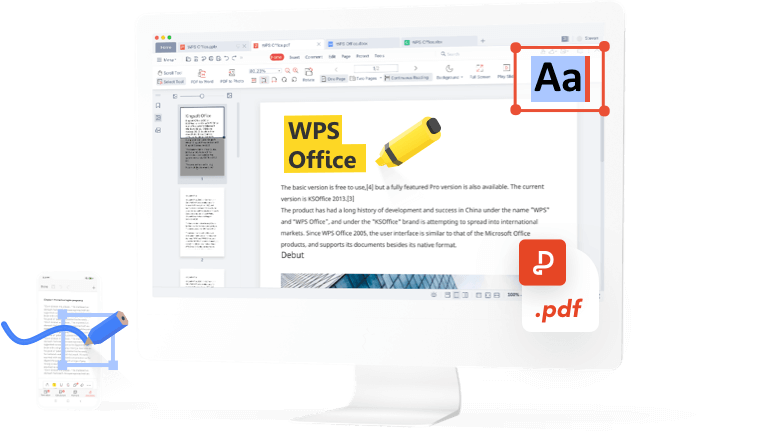
I think one of the toughest parts of APUSH is tackling those dense primary source documents. You need a way to go beyond just reading the text and actually interact with it. That’s where the annotating tools within WPS PDF come in handy. You can use the highlighter to instantly identify key phrases related to a specific theme (like PCE or NAT) and leave direct comments on the document itself. This simple process keeps all your notes centralized, so reviewing those complex sources before the exam is much faster and less overwhelming.
FAQs
Q1: How should I use the themes in my studying?
When studying, don't just memorize what happened. Ask yourselfwhy it happened and how it relates to the themes. For example, when you learn about the New Deal, consider how it relates to PCE (the expansion of government power) and WXT (efforts to fix the economy).
Q2: Can one historical event be related to more than one theme?
Yes, absolutely. In fact, most major historical events relate to several themes. This is the whole point of the framework: to show the interconnectedness of history. For example, the American Revolution relates to PCE (changing political ideas), NAT (forming a new identity), and WOR (relations with Britain).
Q3: Why is Social Structures (SOC) separate from Culture and Society (CUL)?
CUL focuses on shared values, art, and religion. SOC focuses on hierarchical relationships (class, gender, ethnicity). While they overlap, SOC deals specifically with how people are ranked and related in society.
Q4: Which theme is the hardest to apply?
Many students find America in the World (WOR) the most challenging because it forces them to look beyond domestic events and analyze global context, like how European wars or treaties impacted American policy.

'%3e%3cpath%20d='M19.9911%204.11386V6.471H18.5894C18.0775%206.471%2017.7322%206.57814%2017.5536%206.79243C17.3751%207.00671%2017.2858%207.32814%2017.2858%207.75671V9.44421H19.9019L19.5536%2012.0871H17.2858V18.8639H14.5536V12.0871H12.2769V9.44421H14.5536V7.49779C14.5536%206.39064%2014.8632%205.53201%2015.4822%204.92189C16.1013%204.31177%2016.9257%204.00671%2017.9554%204.00671C18.8304%204.00671%2019.509%204.04243%2019.9911%204.11386Z'%20fill='%23333333'/%3e%3c/g%3e%3cdefs%3e%3cclipPath%20id='clip0_2938_8199'%3e%3crect%20width='16'%20height='16'%20fill='white'%20transform='translate(8%204.00671)'/%3e%3c/clipPath%3e%3c/defs%3e%3c/svg%3e)
'%3e%3cpath%20d='M17.5237%2010.7813L23.4811%204H22.0699L16.8949%209.88693L12.7648%204H8L14.2469%2012.9029L8%2020.0133H9.4112L14.8725%2013.7952L19.2352%2020.0133H24M9.92053%205.04213H12.0885L22.0688%2019.0224H19.9003'%20fill='%23333333'/%3e%3c/g%3e%3cdefs%3e%3cclipPath%20id='clip0_2938_8200'%3e%3crect%20width='16'%20height='16.0134'%20fill='white'%20transform='translate(8%204)'/%3e%3c/clipPath%3e%3c/defs%3e%3c/svg%3e)


