

Most students study harder, not smarter: they re-read the chapter, highlight half of it, and hope it sticks. It usually does not, because recognizing a page is not the same as being able to produce its content under exam pressure. The research on learning is unusually clear about what does work, and none of it is complicated. This guide walks through seven of the best study methods - what each one is, how to run it step by step, and how to combine them into a weekly plan you can actually keep.

Best Study Methods: 7 Proven Techniques to Learn Faster
Active Recall: The Study Method Backed by the Most Evidence
Active recall means retrieving the answer from memory instead of reviewing it. Closing the book and writing down everything you remember about a topic is harder than re-reading, and that difficulty is exactly what strengthens the memory. Decades of testing-effect research keep reaching the same conclusion: students who practice retrieval remember far more a week later than students who re-read the same material.
Close the book and write down everything you can recall about the topic on a blank page.
Open the book and mark what you missed in a different color - those gaps are your real study list.
Repeat tomorrow, starting from a blank page again, until you can produce the material without prompts.
The mistake to avoid is quizzing yourself only on what feels comfortable. The questions you get wrong are the entire point of the exercise.
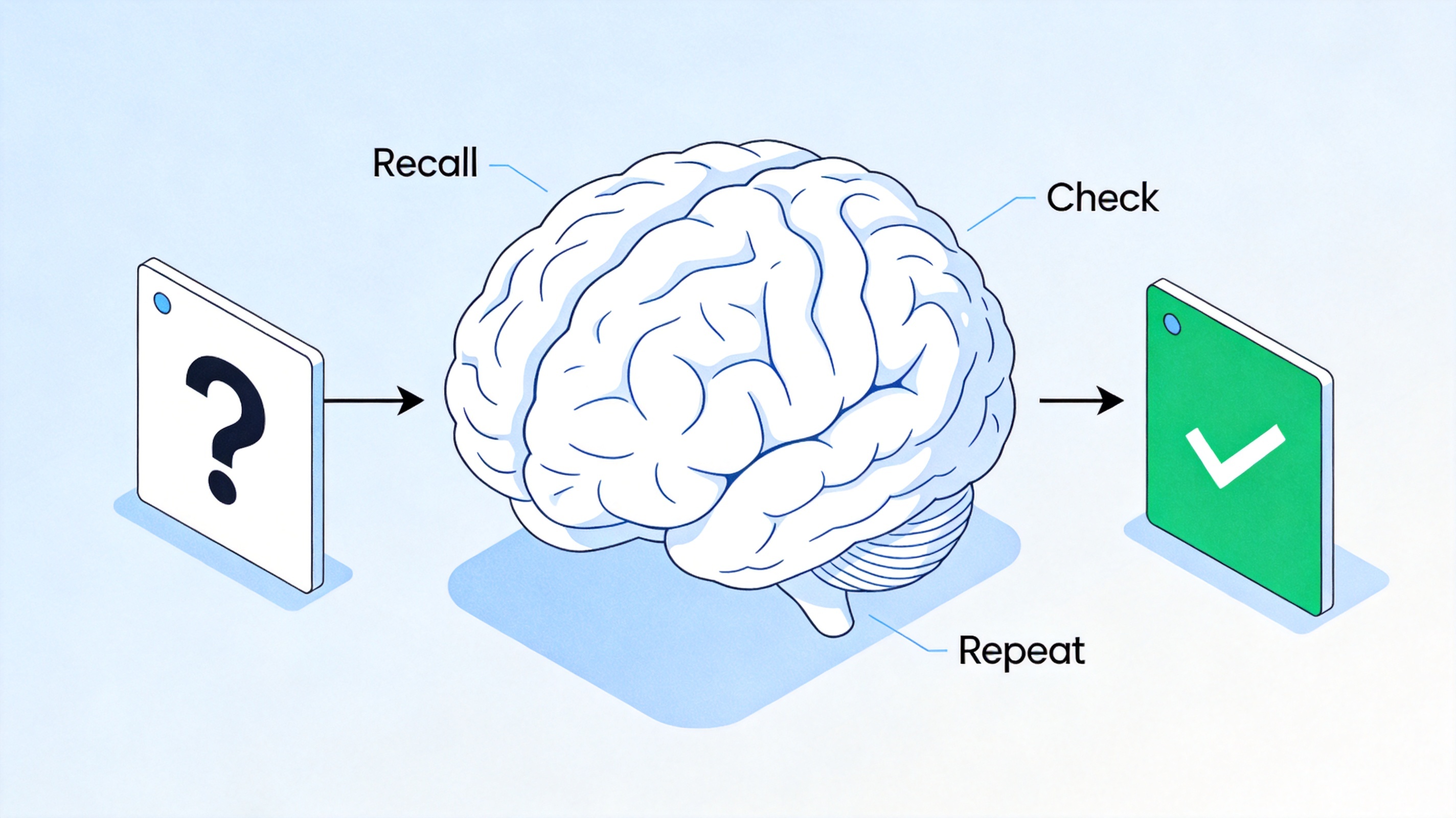
Active recall practice with flashcards


Spaced Repetition: A Study Method That Beats Cramming
Memory fades on a predictable curve, and every review flattens the curve a little. Spaced repetition schedules those reviews at increasing intervals - one day after learning, then three days, then a week, then two - so you meet each topic just before you would forget it. The same total study time produces far more durable memory than one long cramming session, because each effortful recall consolidates the knowledge again.
Review new material on day 1, right after the lecture, while the gaps are easy to fill.
Re-review on day 3, recalling first and checking second.
Space the next rounds to roughly one week and then two weeks, and move a topic to a longer gap each time you recall it cleanly.
A simple calendar works. Put the review dates in at the moment you first learn the topic, or the schedule will silently disappear.
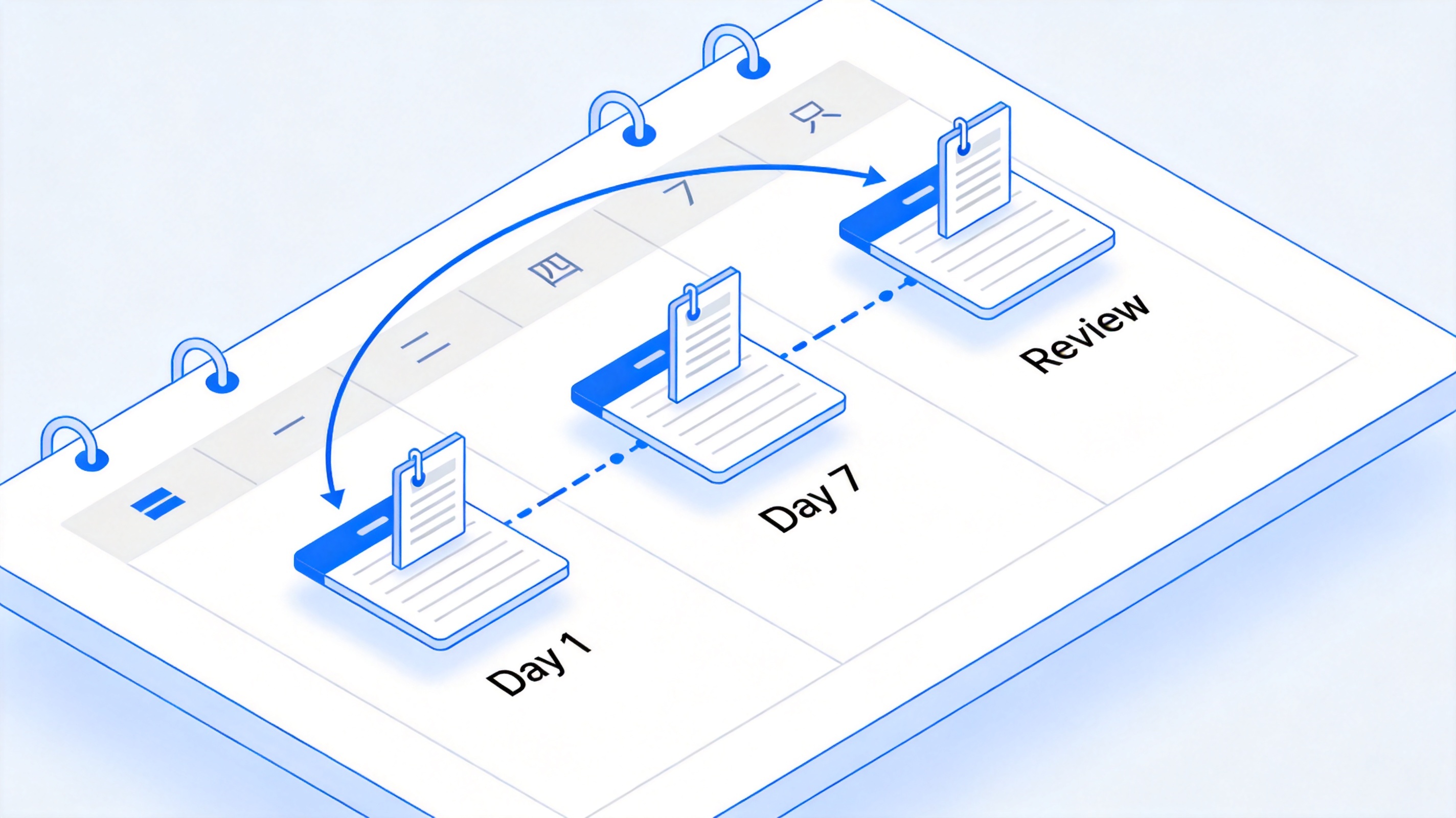
Spaced repetition review schedule on calendar
The Feynman Technique: Study by Explaining Out Loud
The Feynman Technique is a study method built on a humbling test: if you cannot explain an idea in plain words to someone who knows nothing about it, you do not understand it yet. Jargon hides gaps; a plain-language explanation cannot. It works especially well for concepts - physics, economics, biology processes - where re-reading feels fine but exam questions still go wrong.
Write the concept at the top of a blank page, as if it were the title of a lesson.
Explain it out loud in simple words, as if teaching a younger student, with an example of your own.
Note every hesitation - each place you reached for jargon or stalled is a gap in understanding.
Go back to the source for exactly those points, then explain the concept again from scratch.
The out-loud part matters. Explaining in your head lets you skip the awkward sentences where the gaps live.
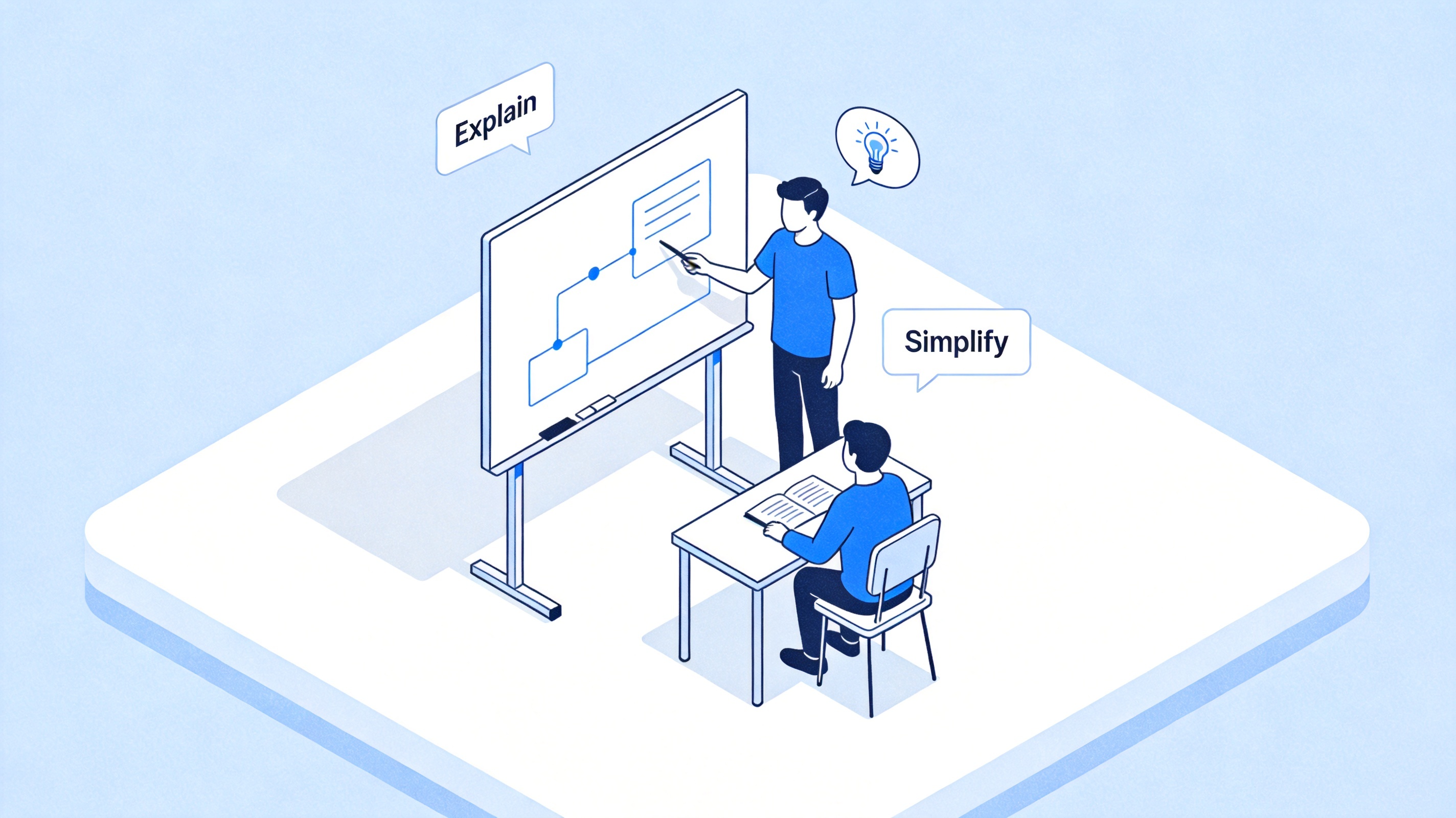
Explaining a concept at the whiteboard
The Pomodoro Technique: Study in Focused Sprints
The Pomodoro Technique does not change what you study - it protects the conditions that make studying possible. Working in short, fixed sprints lowers the barrier to starting, gives distractions a scheduled place to happen, and turns an intimidating evening of revision into a countable number of rounds.
Pick one task before the timer starts - a chapter, a problem set, ten flashcards.
Work 25 minutes with the phone out of reach and no tab-switching.
Take a 5-minute break, away from the screen, then start the next round.
After four rounds, take a longer 15-30 minute break before the next block.
Pair each Pomodoro with one of the other study methods: round one for active recall, round two for the flashcards you got wrong. A timer that just measures suffering is not the method - the single-tasking rule is.
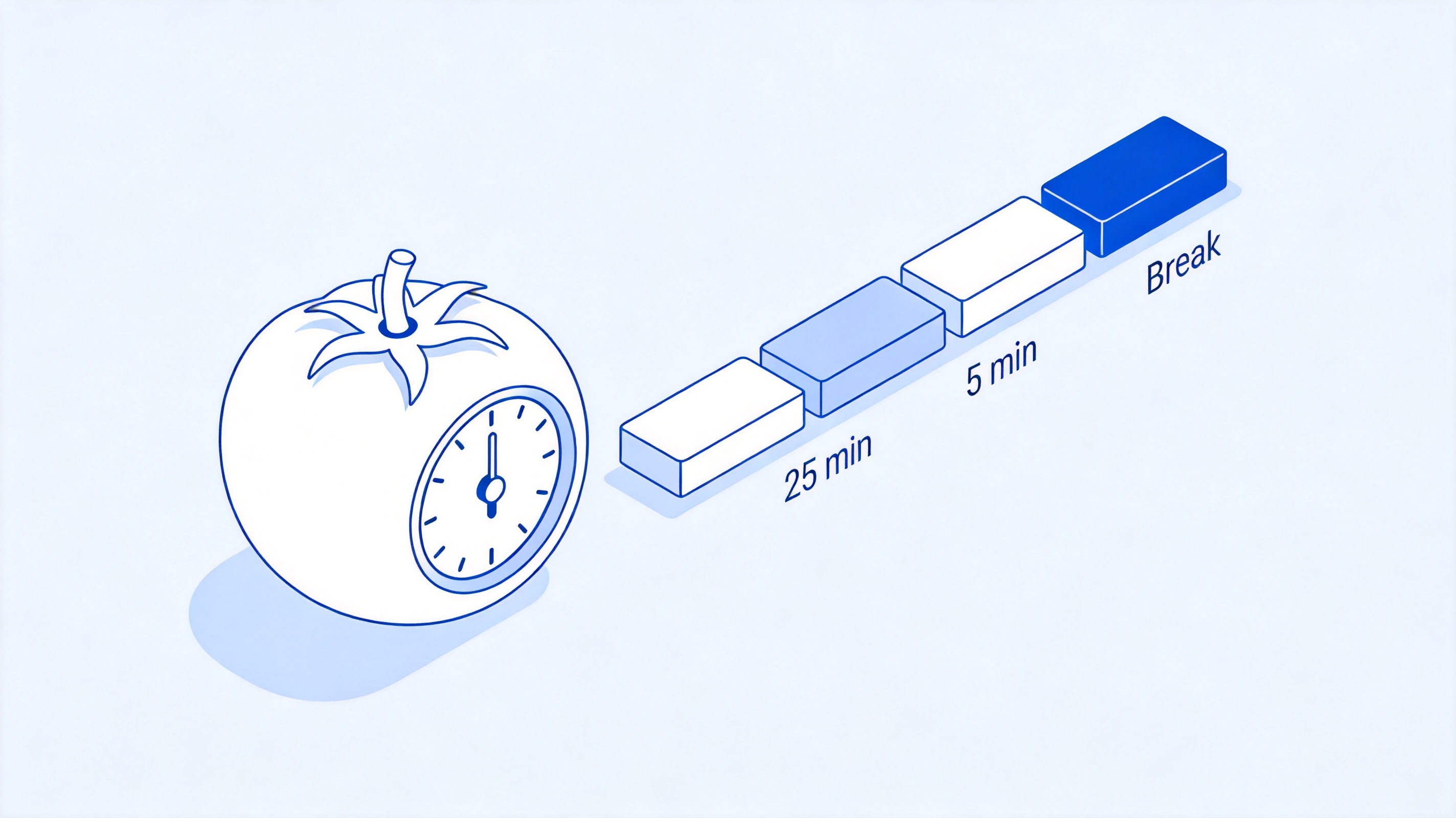
Pomodoro timer with study intervals
The Leitner System: A Flashcard Study Method That Schedules Itself
The Leitner System turns spaced repetition into a physical routine, no app required. Your flashcards live in a series of boxes. Answer a card correctly and it moves to a box reviewed less often; get it wrong and it drops back to the first box, which you review every day. Cards you know drift toward long intervals, and cards you keep missing keep coming back.
Set up three to five boxes, labeled from most-frequent to least-frequent review - for example daily, every three days, weekly.
Start every card in Box 1 and review that box each day.
Promote cards you answer correctly to the next box; send any card you miss back to Box 1.
The system is honest in a way re-reading never is: the size of Box 1 is an exact measure of how ready you are.
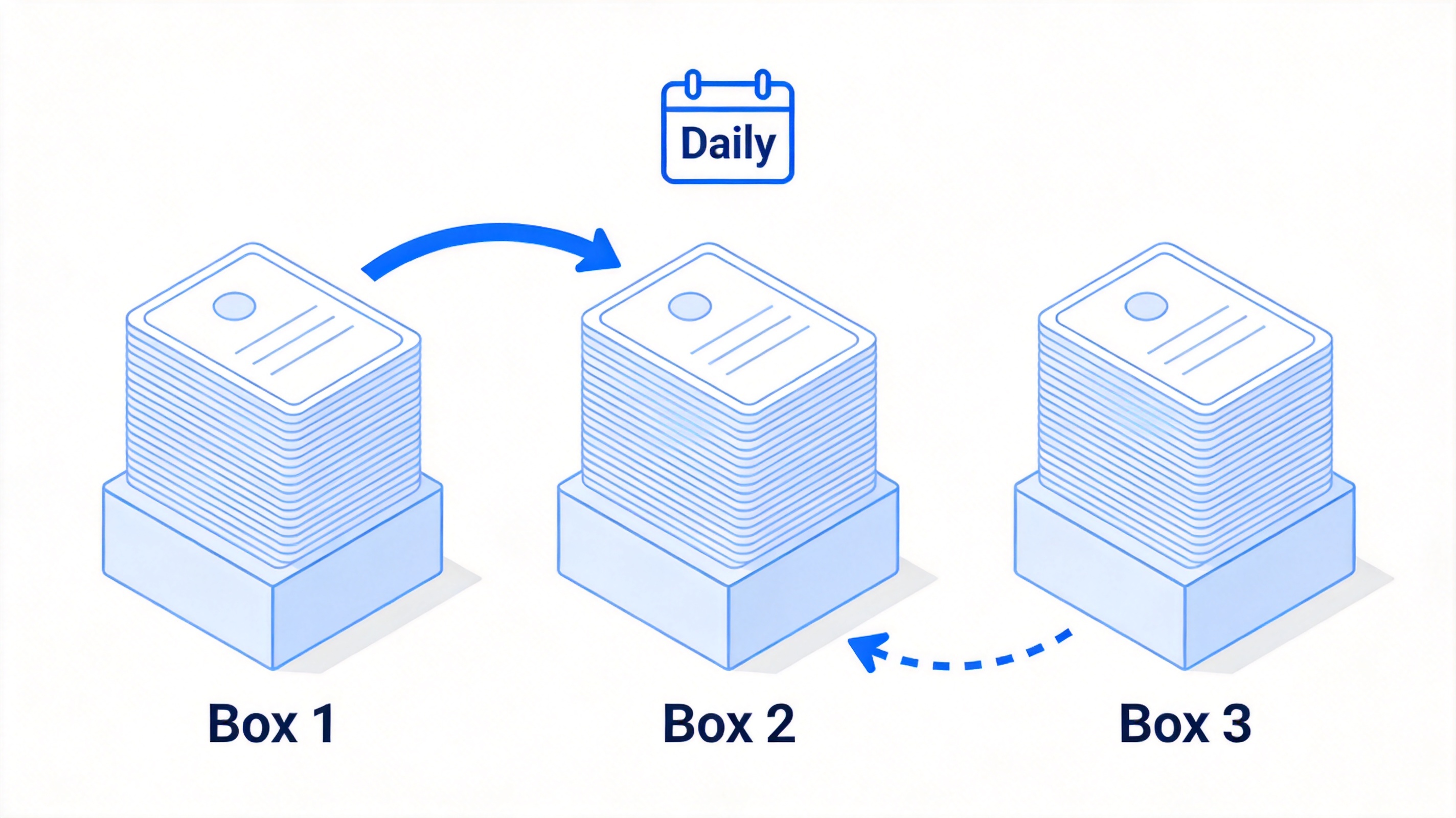
Leitner system boxes for flashcards
Mind Mapping and the Blurting Method: Visual Study Techniques
Two study techniques cover the visual and written sides of the same job: seeing how a topic fits together. A mind map spreads a topic outward from a central idea, which suits subjects with structure - causes of a war, systems of the body, themes in a novel. Blurting is its text-only cousin: dump everything you remember about a topic onto a blank page, then check it against your notes.
Write the topic in the center of a page and add main branches for each major subtopic.
Draw from memory, not from the book - the map is a recall exercise, not a copy task.
Check and mark gaps, then redraw the map the next day and compare where it was thin.
Both methods pair naturally with active recall: the blank page is the prompt, and the redraw is the review.
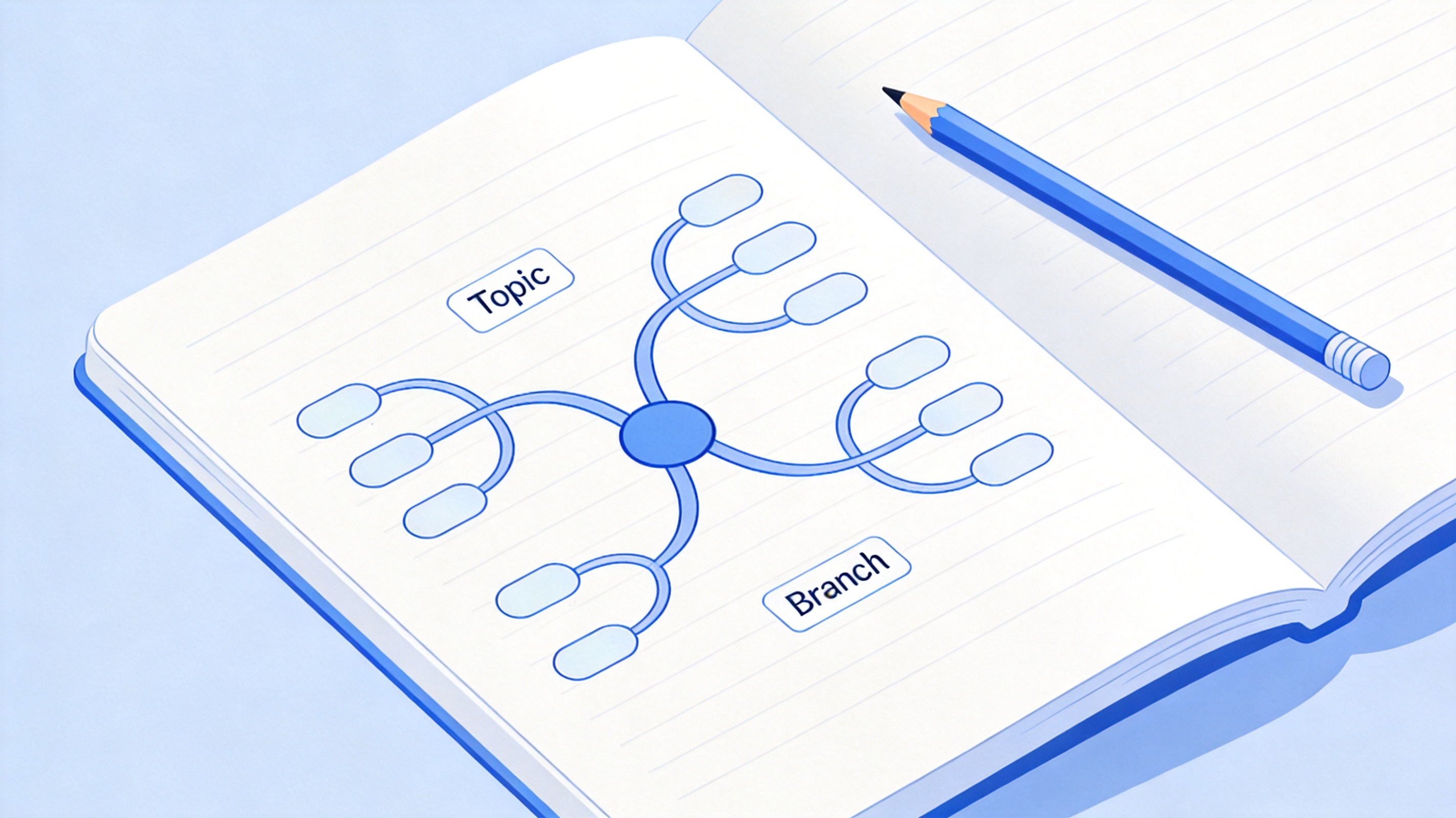
Mind map notes in a notebook
How to Combine These Study Methods into a Weekly Plan
No single method does everything. A workable week uses two or three of them in fixed slots, so the deciding is done once and the sessions run on autopilot:
Daily (2-3 Pomodoros): one sprint of active recall on yesterday's lecture, one sprint of Leitner flashcards, one sprint on the current assignment.
Twice a week: one Feynman explanation of the hardest concept from that week, spoken out loud.
Once a week: redraw the mind maps for the whole course from memory, and reset your review calendar for the coming week.
Keep the plan boring and repeatable - that is what makes it survive contact with a real semester. If you want ready-made tools for each slot, the guide to the best study apps for students matches a free app to each of these jobs.
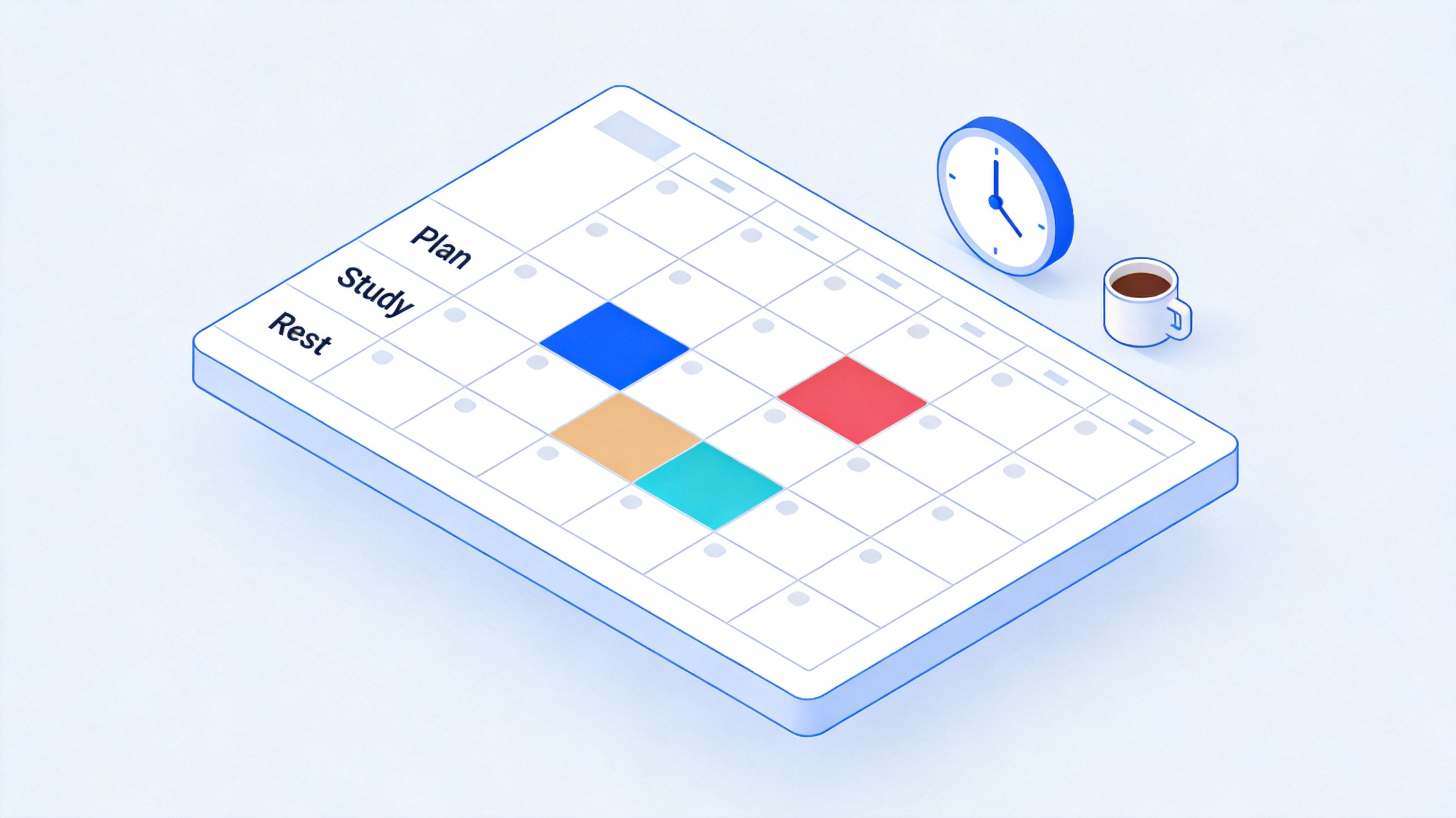
Weekly study plan with focus blocks
The Best Free Alternative: WPS Office for Study Methods
Every method above ends in a file: a recall sheet, a flashcard table, a mind map, a weekly plan. WPS Office covers all of them for free, on the laptop and the phone, and the files stay compatible with Word, Excel and PowerPoint - which matters the day a group project arrives in Office formats.
Writer for blurting pages and Feynman explanations - one document per topic, ready to re-attempt each week.
Spreadsheets for a Leitner tracker and a spaced-repetition review calendar that recalculates the next dates for you.
PDF tools for highlighting lecture slides and reading lists, so the marking-up happens in the same app as everything else.
Because WPS works offline and syncs across Windows, Mac, Android and iOS, a flashcard table started on a laptop survives a bus ride on a phone.
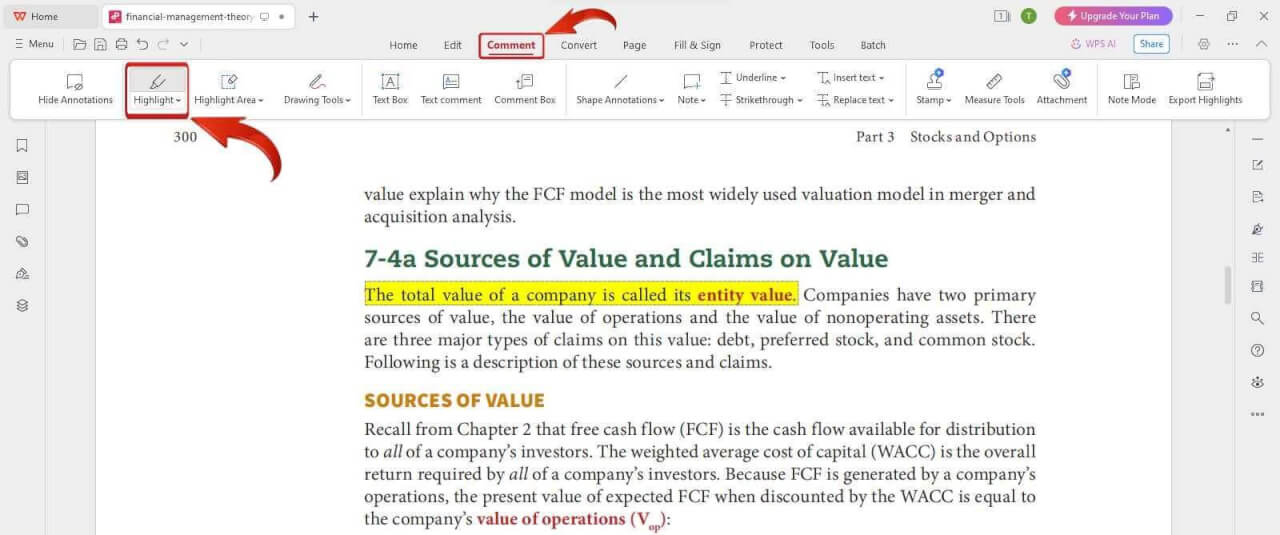
Highlighting a PDF reading list in WPS
FAQs
1. What is the single best study method?
There is no single winner. If forced to pick a pair, active recall plus spaced repetition has the strongest evidence for long-term memory - but focus methods like Pomodoro and understanding checks like the Feynman Technique solve problems those two cannot.
2. How long should a study session last?
25-50 minutes of focused work with short breaks suits most people. Beyond roughly 90 minutes, concentration and retention both drop, so two planned sessions beat one exhausted marathon.
3. Are flashcards useful for every subject?
They excel where exams reward recall: definitions, vocabulary, formulas, dates and processes. For problem-solving subjects like maths or physics, convert them into worked examples and practice problems rather than pure question-answer cards.
4. How do I stop forgetting what I study?
Stop relying on re-recognition. Test yourself from a blank page, schedule reviews at growing intervals, and sleep between study sessions - consolidation happens overnight, not during the eleventh re-read.
5. Can WPS Office support these study methods?
Yes. Writer handles recall sheets and explanations, Spreadsheets runs a Leitner tracker and review calendar, and the PDF tools handle highlighted readings - all free and compatible with Office file formats.