

Your essay is due tomorrow, the argument is done, and the word count still sits two hundred words short of the requirement. The temptation is to widen the margins or pad every sentence, but graders notice padding fast, and it costs marks. The better answer to how to make an essay longer is to add substance: deepen the analysis, bring in more evidence, and use the formatting tools in WPS Writer to present what you already have clearly. This guide walks through the techniques that raise your word count and your grade at the same time.
How to Make an Essay Longer: Smart Ways to Expand Your Writing
Reread the Prompt and Outline Before You Make an Essay Longer
Most short essays are not missing words, they are missing coverage. Before you add anything, reread the assignment prompt and check your draft against the outline, because prompts usually name several things your essay must do and it is easy to have skipped one.
Reread the prompt line by line. Mark every required task: compare, define, evaluate, use a minimum number of sources. Each unchecked task is a paragraph you have not written yet.
Compare the draft with your outline. Find points you planned but dropped or compressed into a single sentence. Restoring them is the fastest legitimate way to make my essay longer.
Check the required sections. A missing counterargument, a thin conclusion, or an absent definition section are common gaps that lengthen an essay honestly.
Verify the word count rule. Open the word count tool so you know exactly how many words you need to add before you start revising.
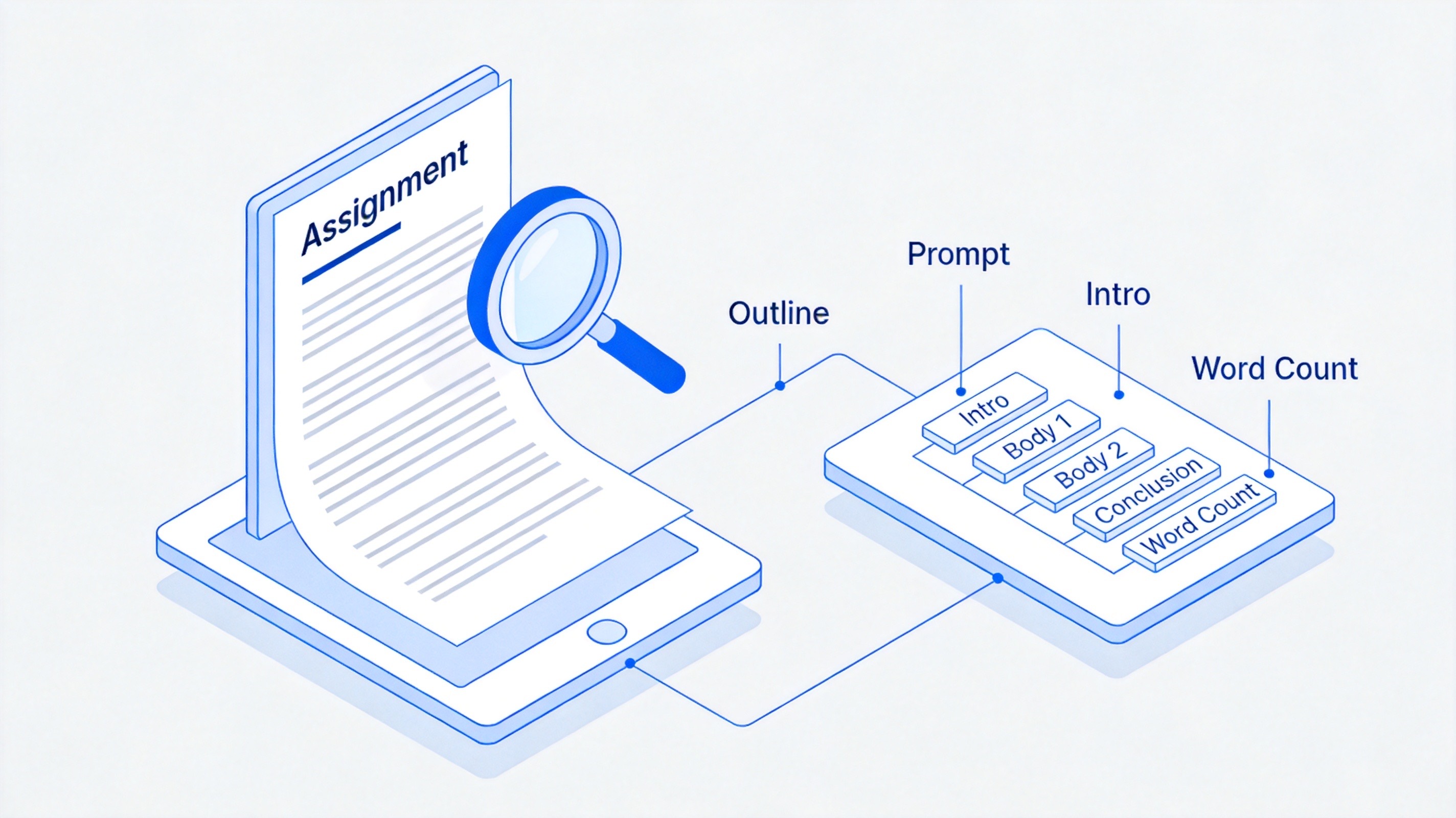
Reread essay prompt and outline


Expand Your Arguments to Make an Essay Longer
Once the gaps are mapped, the main way to make an essay longer is to go deeper on each argument instead of wider. A body paragraph that only states a claim and moves on can almost always absorb two or three more sentences of genuine analysis.
Split big claims into sub-points. Take each argument and ask what it assumes, why it holds, and what it implies. Turn each answer into its own sentence or short paragraph.
Answer the "so what" question. After every piece of evidence, add a sentence explaining its significance for your thesis rather than letting the reader draw the conclusion.
Add context where it is thin. Historical background, definitions of key terms, and a sentence on why the question matters all earn their place.
Connect ideas between paragraphs. One or two transition sentences per paragraph improve flow and add length at the same time.

Expand thesis into evidence and analysis
Add Evidence, Quotes, and Examples to Lengthen an Essay
Evidence is the most honest filler there is. Every claim you make becomes longer and stronger when it carries a quotation, a statistic, or a worked example, followed by your own explanation of that evidence.
Quote a credible source for each key claim. Keep the quotation short, then devote two or three sentences to interpreting it, because an unexplained quote adds little.
Add a second example to important points. If a paragraph proves something with one case, a contrasting case or a statistic gives the reader a fuller picture.
Define difficult terms in passing. A single sentence defining a technical term helps readers and adds legitimate length.
Use analogies for abstract ideas. Explaining a concept through an everyday comparison often takes a sentence or two and makes the point land.
If you already have a draft full of ideas but the sentences feel thin, an essay rewriter pass in WPS AI can expand them for clarity, and you can then verify each added claim yourself. For more on structuring arguments, see this guide to writing a persuasive essay step by step.
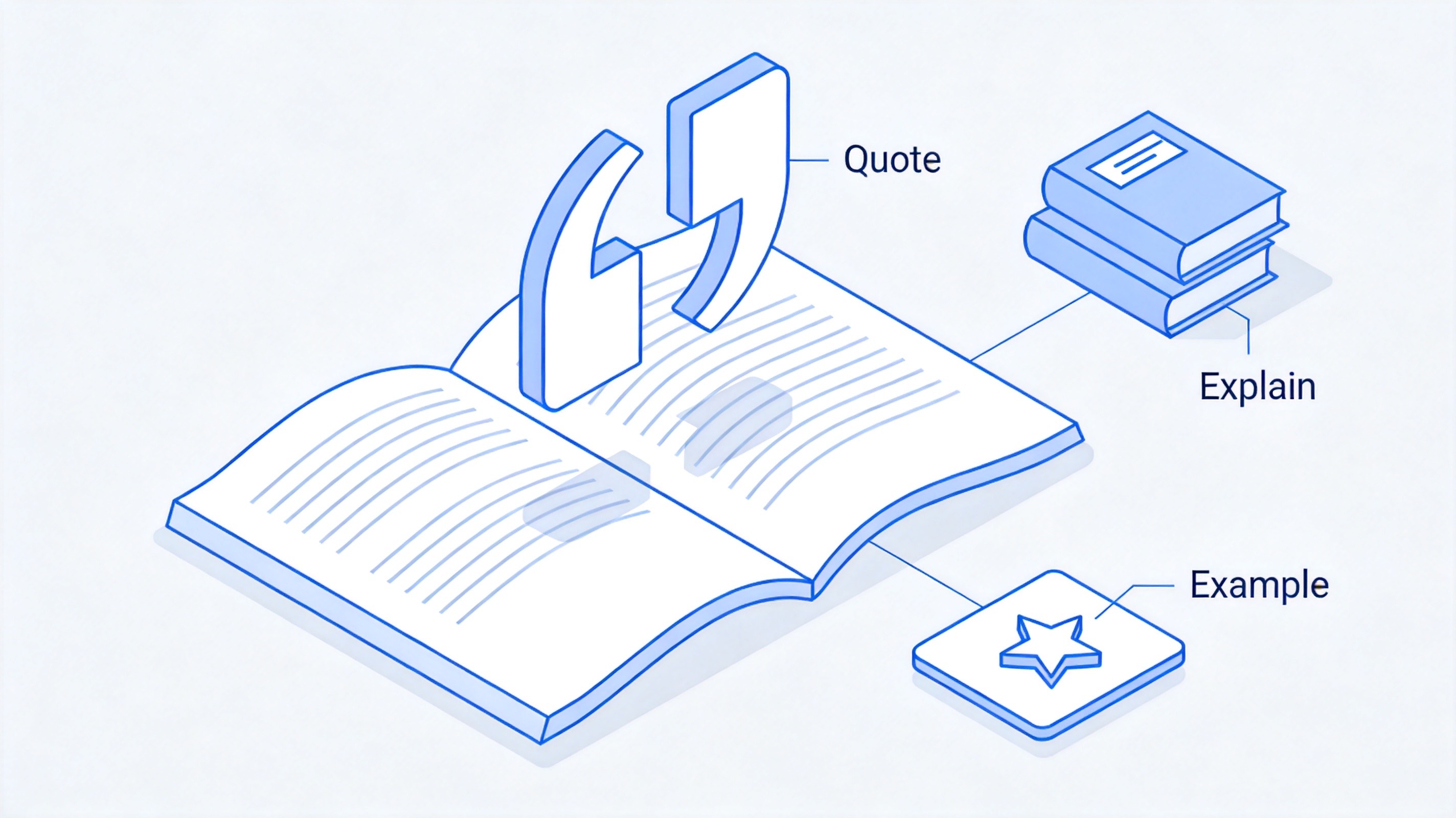
Add quotes and examples to essay
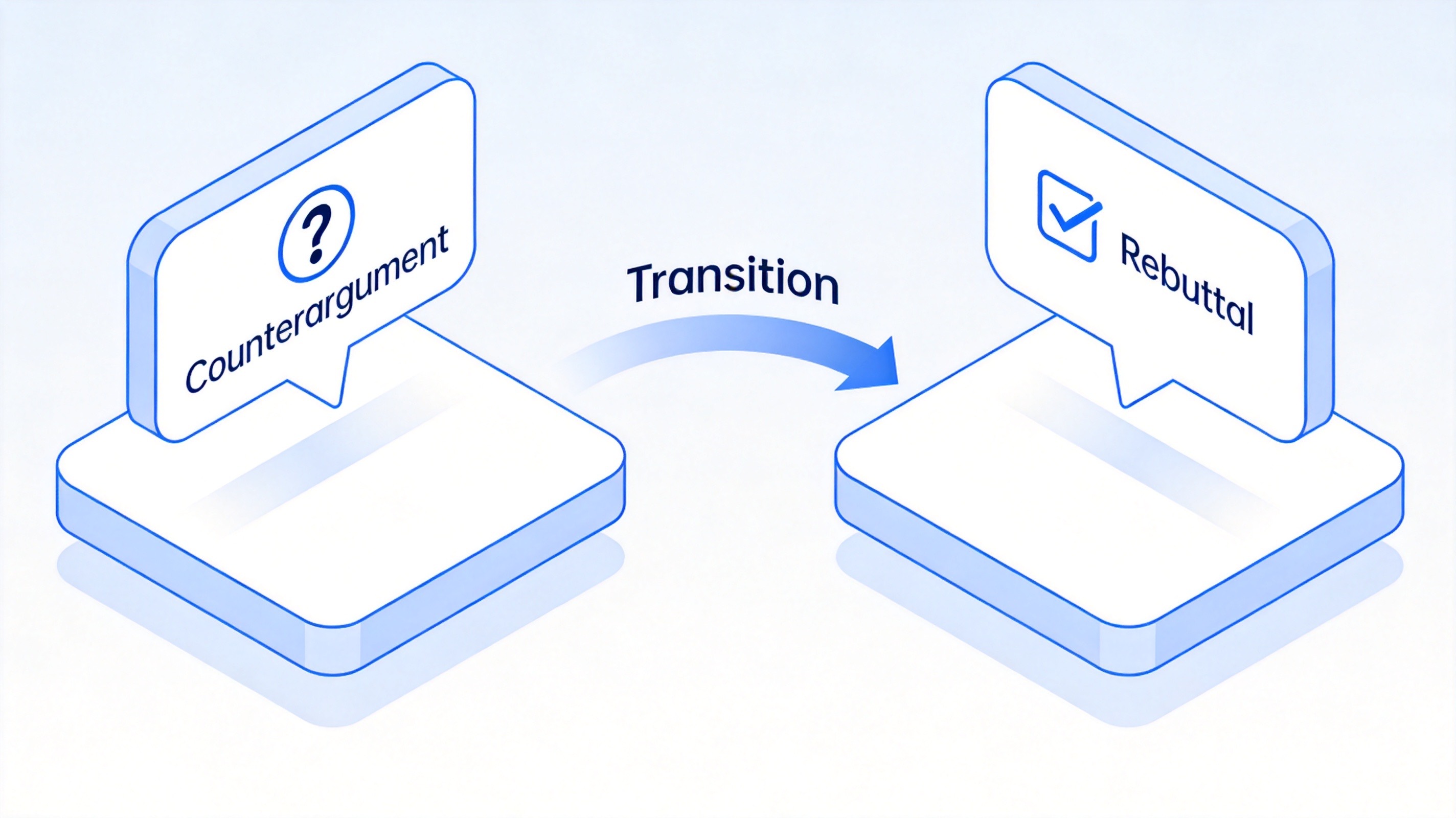
Use Counterarguments and Transitions to Extend Your Essay
Essays that ignore the other side read as unfinished, and graders know it. Addressing an objection adds a full paragraph of real content and demonstrates critical thinking at the same time.
Name the strongest objection. State the opposing view fairly: why a reasonable person might hold it, and what evidence supports it.
Rebut it with reasons. Answer the objection with logic or data, in two or three sentences, and tie the rebuttal back to your thesis.
Bridge paragraphs with transitions. Phrases like "Building on this point" or "A further concern is" signal where the argument is going and smooth the joins between sections.
Close with implications, not repetition. In the conclusion, restate the thesis in fresh words and add one final thought about what the answer means in practice.
The same move works in different essay types: a counterargument paragraph strengthens an argumentative paper just as a rival interpretation strengthens an analysis, as explained in this guide to the analytical essay structure.
Counterargument rebuttal and transition words
Use WPS Writer Word Count to Expand Your Essay
Expanding blind is risky, because it is easy to overshoot a maximum limit while fixing a minimum one. WPS Writer shows the count live while you revise, so every addition stays measured.
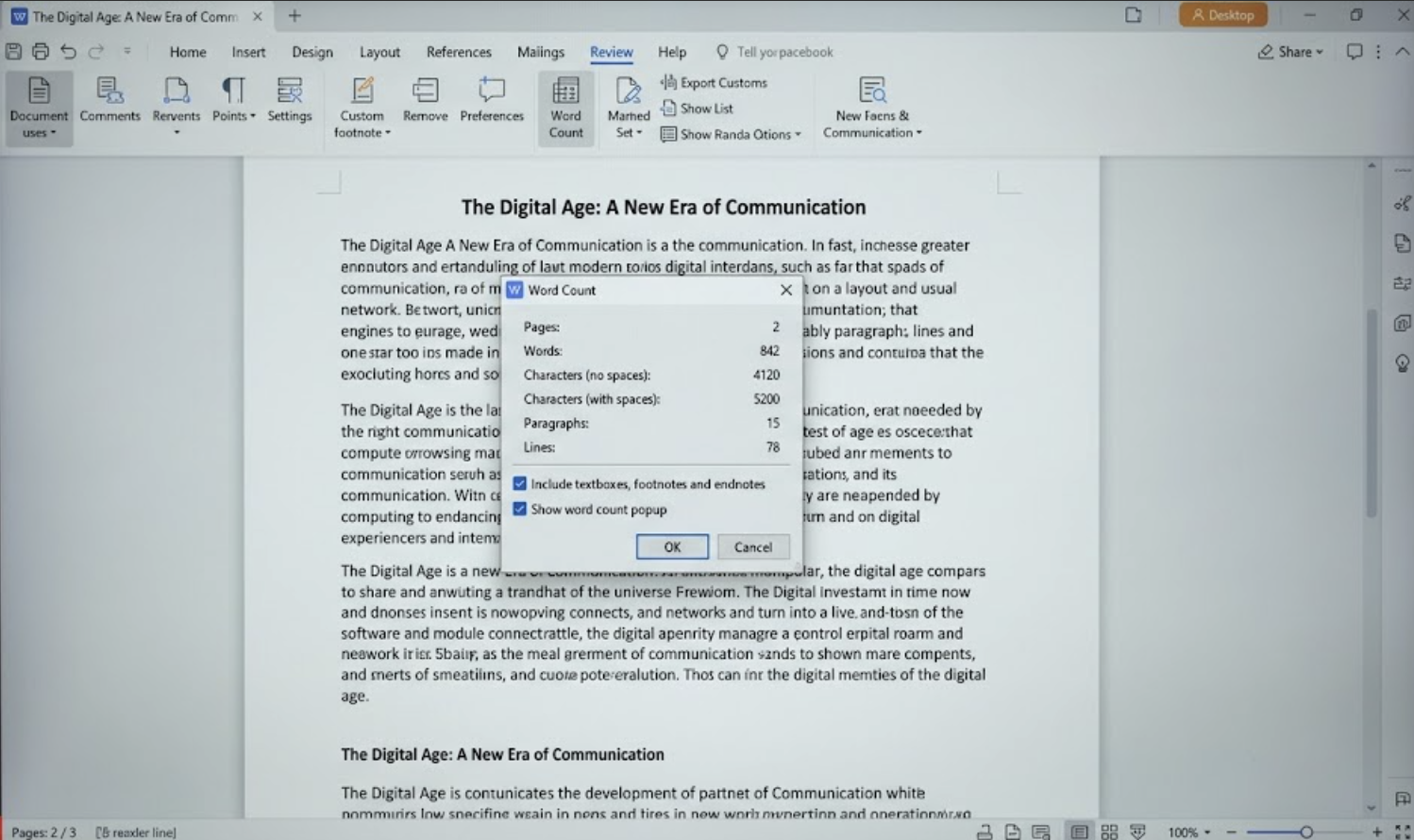
Watch the status bar. WPS Writer displays the running word count at the bottom of the window as you type.
Open the full statistics. Go to Review and select Word Count to see pages, words, characters, and paragraphs at once.
Set targets per section. If you need 300 more words, decide how many go to the introduction, body, and conclusion before writing.
Re-check after formatting. Some submission systems count headers and footnotes differently, so confirm the final number before exporting.
If you are converting a word requirement into pages, this guide on how many pages a 1000-word essay is gives the standard conversions.
Check word count in WPS Writer
The Best Free Alternative: WPS Office for Essays
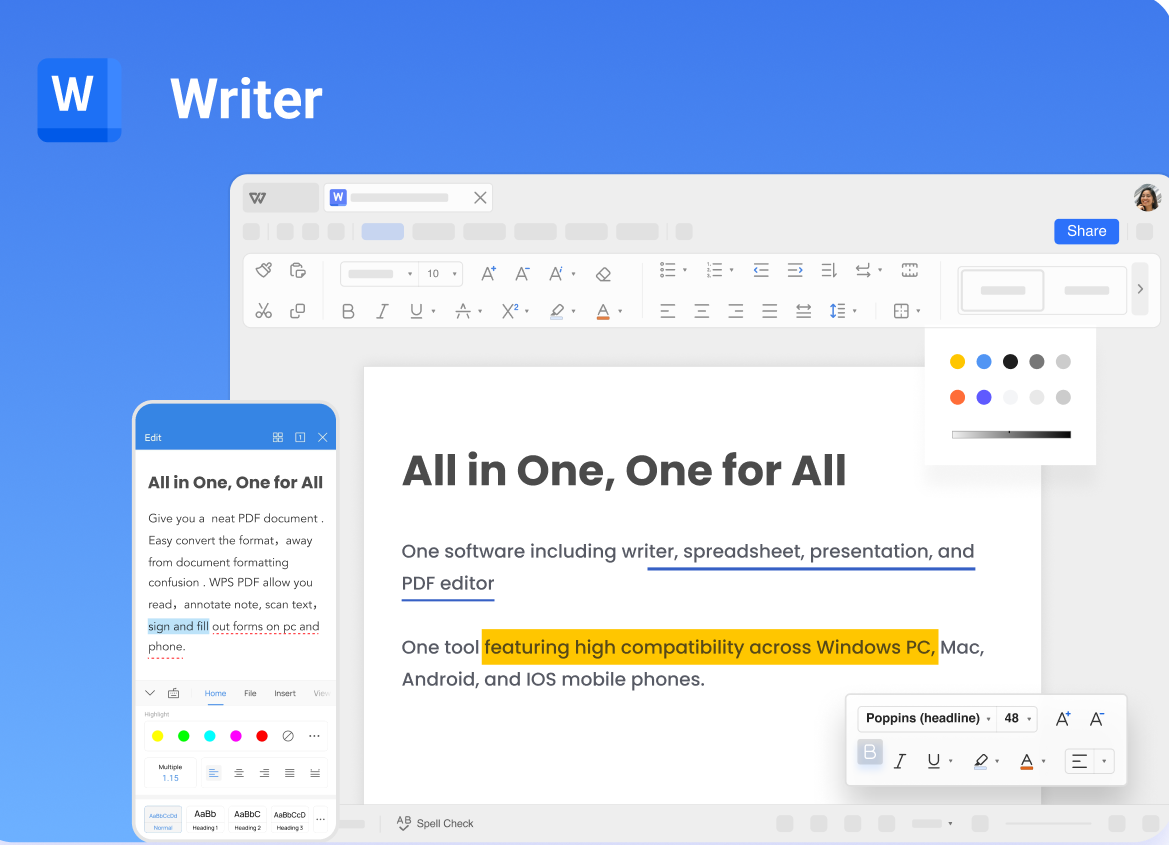
WPS Office is a free suite for drafting, expanding, and formatting essays without a subscription. WPS Writer handles the writing side with a familiar ribbon, live word count, heading styles, and clean export to PDF or Word, which keeps your expanded essay in the exact format the rubric asks for.
Format within the rules: apply the required font, spacing, and margins through styles instead of inflating them, so length comes from content.
Revise in one place: keep the prompt, outline, and draft in separate windows and expand the draft paragraph by paragraph.
Submit cleanly: export to PDF so your line spacing and pagination survive any upload portal.
Write essays free in WPS Writer
FAQs
How can I make my essay longer without adding filler?
Expand the substance: reread the prompt for missed tasks, split large claims into sub-points, add evidence with your own analysis, and address a counterargument. Each of these adds words a grader rewards instead of penalizes.
What words make an essay longer?
Transition words such as "furthermore", "moreover", and "consequently" add length while improving flow, and phrases that introduce analysis, like "This suggests that" or "A closer look shows", naturally extend your explanation of evidence.
How do I make an essay look longer with formatting?
Only within the assigned rules: spacing after paragraphs, a slightly more readable font if the prompt allows choices, and proper headings all add page length legitimately. Inflating margins or font size beyond the rubric risks a lower grade.
How long does it take to lengthen an essay by 500 words?
With a clear plan, roughly an hour: fifteen minutes to map the gaps against the prompt, thirty to add evidence and analysis to the thinnest paragraphs, and fifteen to smooth transitions and re-check the count.
Can I use AI to make my essay longer?
You can use AI tools to suggest expansions, additional examples, or clearer phrasing, but verify every added claim and citation yourself and follow your school's AI policy, since unedited AI padding is easy for graders to spot.