

You have a list, a speech, or an exam topic to learn by tomorrow, and re-reading it once more will not make it stick. The techniques below are ordered by how quickly they build recall, so you can go from the fastest win to the method that keeps facts in your head for weeks.

How to Memorize Something Fast: 10 Techniques That Actually Work
Memorize Fast with Spaced Repetition and Active Recall
The fastest way to memorize something is to stop re-reading and start testing yourself at increasing gaps. This pairing beats passive review on almost every study method.
Turn each fact into a question and cover the answer.
Recall it from memory, then check. This is active recall.
Space the retests: after 10 minutes, then a day, then three days.
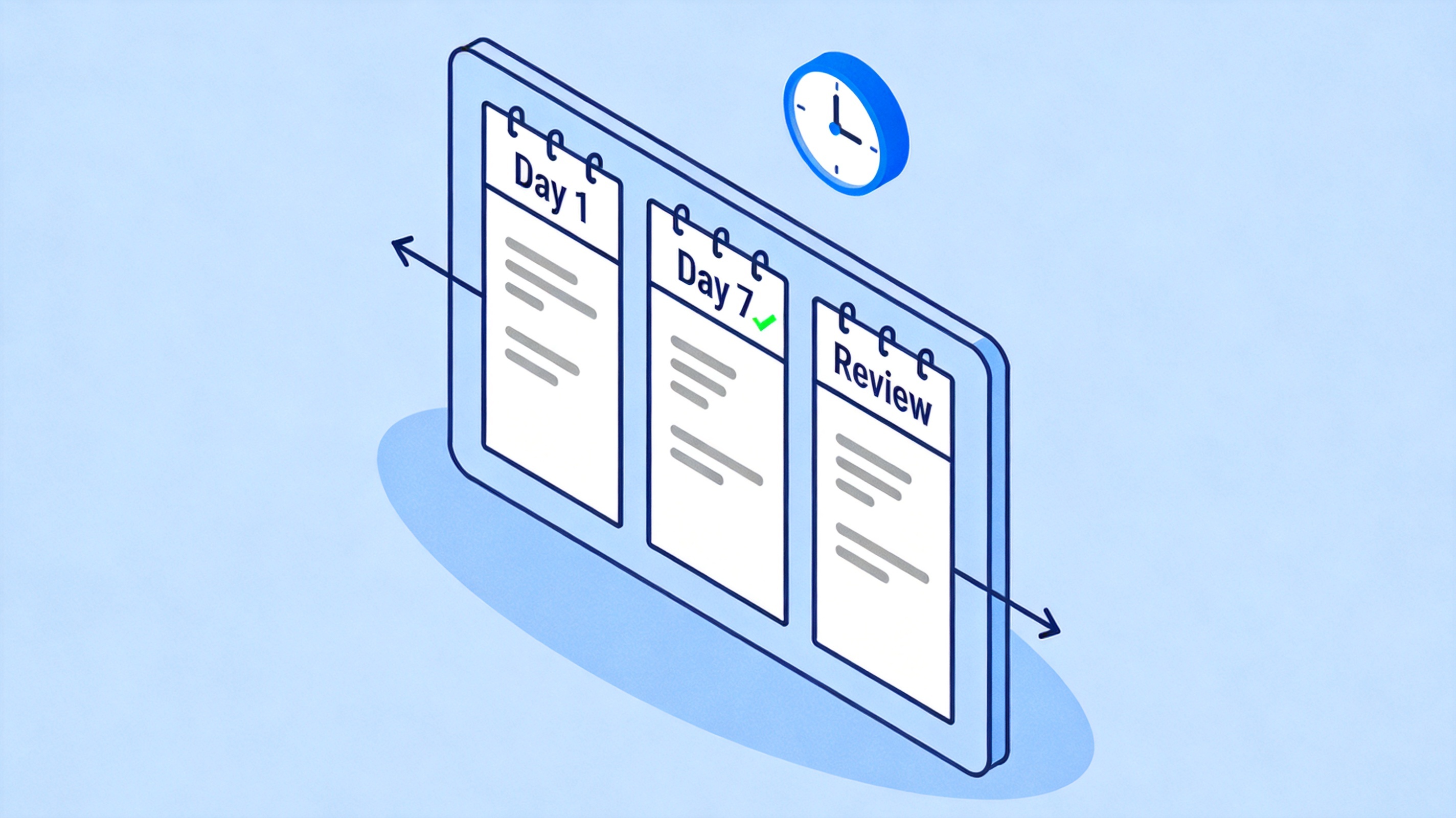
Spaced repetition review schedule in spreadsheet
Open the review table in WPS Spreadsheet and tick each deck the day you pass it, so the next review date appears automatically.


Chunk and Connect New Information for Faster Recall
Long random lists are hard to hold. Split a big block into groups of three or four and link each group to a picture, a story, or something you already know, and the brain stores it as one unit instead of many.
Break the material into chunks of three to four items.
Connect each chunk to an image, a rhyme, or a personal example.
Say the whole sequence out loud, then recall the chunks without looking.
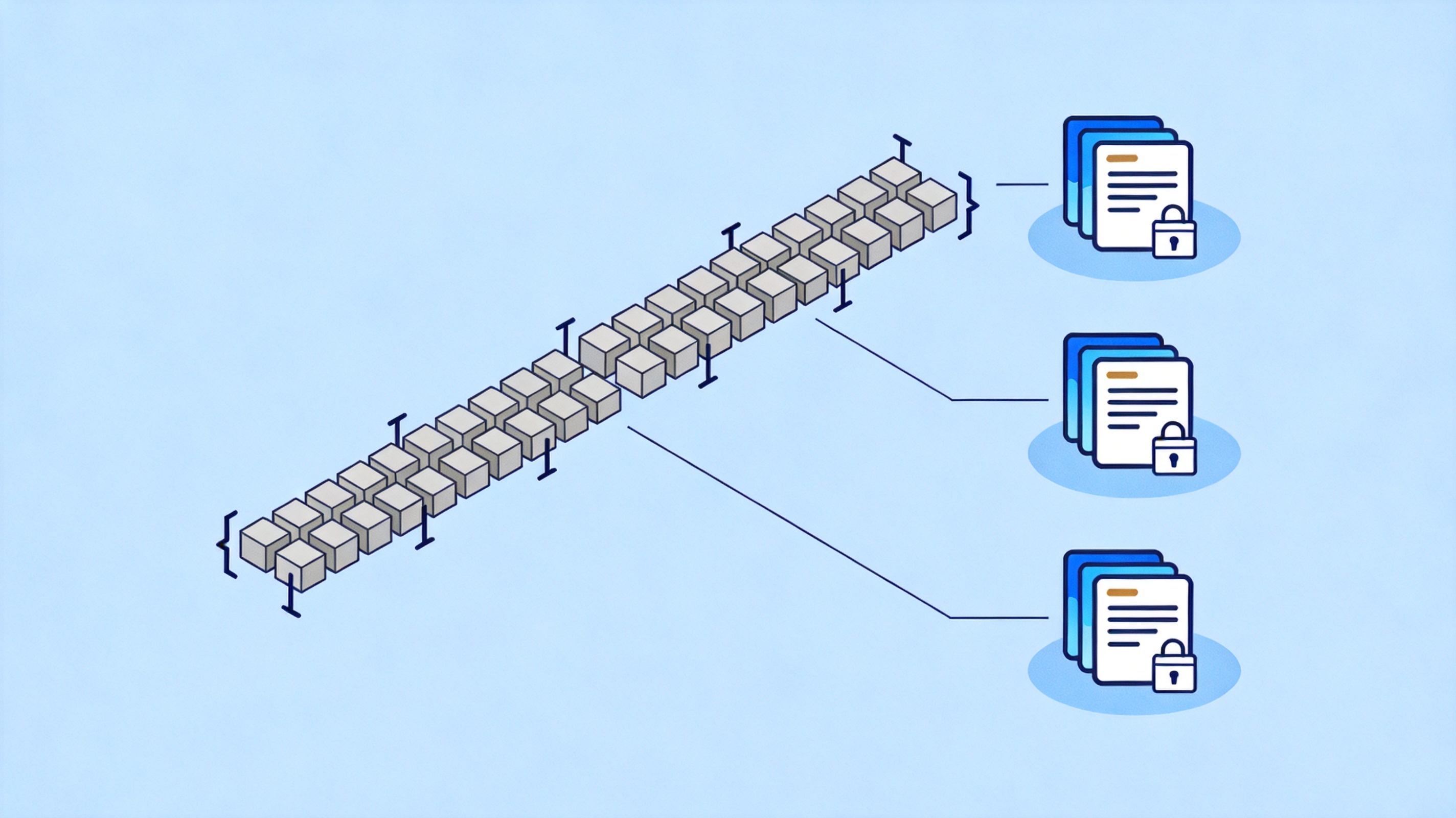
Chunking information into small memorable groups
Turn Your Notes into Memory Aids You Can Review Anywhere
Use your own notes to build flashcards and a one-page cheat sheet, then review them in short bursts on your phone between tasks. Writing the card is half the learning, so keep the question on the front and the answer short on the back.
Turn every fact into one card with a short answer.
Group cards by topic so review follows the way you learned the material.
Go through the deck each day, moving known cards to a longer interval.

Study flashcards for active recall review
Study Faster and Remember More with WPS Office
Memory apps add a monthly fee for what is really a table and a set of notes. WPS Office gives you the review schedule in WPS Spreadsheet, the flashcards and cheat sheet in WPS Writer, and free templates to start from — no subscription, on any device.
| What you need | WPS Office | Dedicated memory apps |
|---|---|---|
| Review schedule table | Free in WPS Spreadsheet | Monthly plan on many |
| Flashcards and notes | Free in WPS Writer | Separate subscription |
| Export and print | PDF and Word export | Limited or paid |
| Offline by default | Files stay on your device | Cloud account needed |
One place for study: the review table and the flashcards live in the same free suite, so you stop paying for a separate app.
Print or carry: export the cheat sheet to PDF or open it on your phone for a quick walk-time review.
Formulas do the spacing: a simple date formula moves the next review day for you. See how to study smarter with AI tools for more.

Study notes and review tables in WPS Writer
FAQs
What is the fastest way to memorize something?
Test yourself instead of re-reading. Cover the answer, recall it, then check, and repeat at increasing intervals. This pairing — spaced repetition with active recall — builds recall fastest.
How do I memorize something in one night?
Chunk the material into groups of three or four, link each chunk to a simple image or story, then run two or three active-recall passes with a short break in between.
Does rewriting my notes help me memorize?
Only if you turn them into questions. Rewriting alone is passive; turning each fact into a question you then answer from memory is what builds the memory.
How long should a review session last?
Ten to twenty minutes in short bursts beats one long session. Short, spaced passes let the brain consolidate between reviews.
Can I memorize faster with flashcards?
Yes, when you keep the answers short and review by spaced intervals. Move the cards you know to a longer interval and keep the hard ones daily.