

A land grant is public land handed to a person, a company, a college, or an entire community, usually with one condition: use it for the stated purpose or the title does not stick. Here is a definition you can paste into a report, the four types you will meet in county records, and the document steps that keep the file searchable.
The short version, ready to paste:
Definition: land a government transfers to an individual, company, institution, or community for a stated use, usually at no cost.
Proof: the land patent, the document that conveys title, plus the parcel’s legal description.
Where to look: federal patents in General Land Office records, colonial and Mexican grants in the state archive, later sales at the county recorder.
Land Grant Definition: Types, Records, and the Paperwork That Proves It
A Land Grant Definition You Can Copy Into Your File
Pick the length your document needs. All three say the same thing and are safe to reuse as long as you cite the patent record, not a blog.
One line: a land grant is land a government gives to a person, company, institution, or community for a stated use, usually without payment.
Paragraph: a land grant is a transfer of public land from a government to a private owner, a corporation, a college, or a community. The recipient pays nothing but must meet the condition written into the grant — farm it, build a campus, run a railroad, or keep common land open. Once the condition is met and the transfer recorded, a land patent documents it.
Footnote: land grant, United States — public land conveyed by a government to a person, corporation, or institution for a specified use; the conveyance of record is the land patent. A grant is the decision; the patent is the paper. Without a legal description (section, township, range) neither matches a parcel on the ground.
The Four Land Grant Types and the Record Each One Leaves
Most confusion comes from mixing four programs under one word. Sort the type first and you know which archive to open.
| Type | Who got it | Condition | Record to search |
|---|---|---|---|
| Private | One person or family | Live on and improve the land | Land patent, then county deed |
| Community | A town or group of settlers | Keep grazing, water, or woodland open | Grant confirmation file, state archive |
| Hybrid | A group plus named individuals | Private lots inside a shared commons | Plat map with the grant document |
| Institutional | A state, college, or railroad | Fund a school or lay track | Congressional act, charter, scrip |
The Homestead Act of 1862 is the private version most people mean: 160 acres and five years of residence for a patent. The Morrill Act that same year is the institutional version behind the land-grant universities. Community grants are the Spanish and Mexican layer, which is why their files sit in state archives.
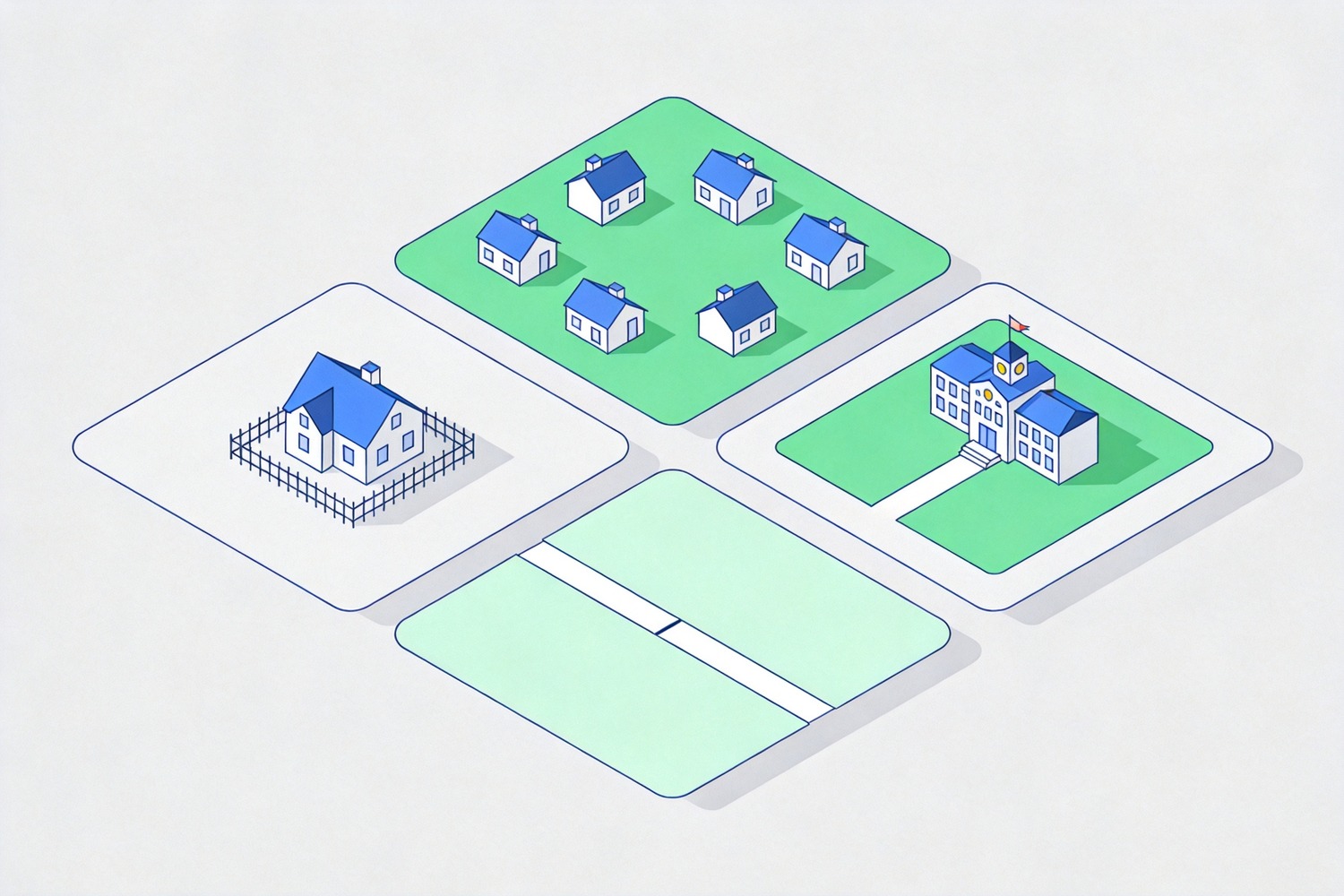
Four land grant types compared
How to Trace a Land Grant Record in Five Steps
A patent is easy to find once you know the state and the name. Work in this order.
Fix the state and county. Federal patents are indexed by state, colonial and Mexican grants by state archive, later transfers by county recorder.
Search GLO records at glorecords.blm.gov by patentee name, state, or patent number, and filter by land office when the surname is common.
Save the image and the legal description. Copy section, township, range, and acreage into your notes — that string is the parcel’s fingerprint.
Add a text layer. A 1950s patent scan is an image you cannot search. Open it in WPS PDF, choose OCR PDF on the Home tab, run OCR, then save a new copy. Handwriting still needs eyes; printed text converts well.
Build one file per parcel. Merge patent and deeds into a searchable PDF named State_County_PatentNumber_Year, and keep the untouched original beside it.
If the scan is crooked or speckled, clean it before OCR: the scanned PDF workflow covers straightening and contrast, and the OCR comparison shows when a text layer is worth redoing.

Tracing a land grant record
Fill and Sign a Land Grant Application Packet Without Reprinting
State land offices accept a signed PDF, but the packet still has to arrive as one clean file in page order. Build it on screen and skip the print-scan loop.
Collect the pieces separately: application form, statement of intended use, legal description, identification, and any affidavit.
Open the form in WPS PDF and use Fill & Sign. Type in the fields, or drop a text box on flat forms exported without them.
Place the signature once and reuse it on every page that needs one.
Merge in reading order with Split and Merge, then check that page numbers run unbroken.
Export a flattened PDF so nothing shifts on another computer, and keep the editable copy for your records.
Sign last: a form filled in after signing looks altered, and clerks reject it on sight.
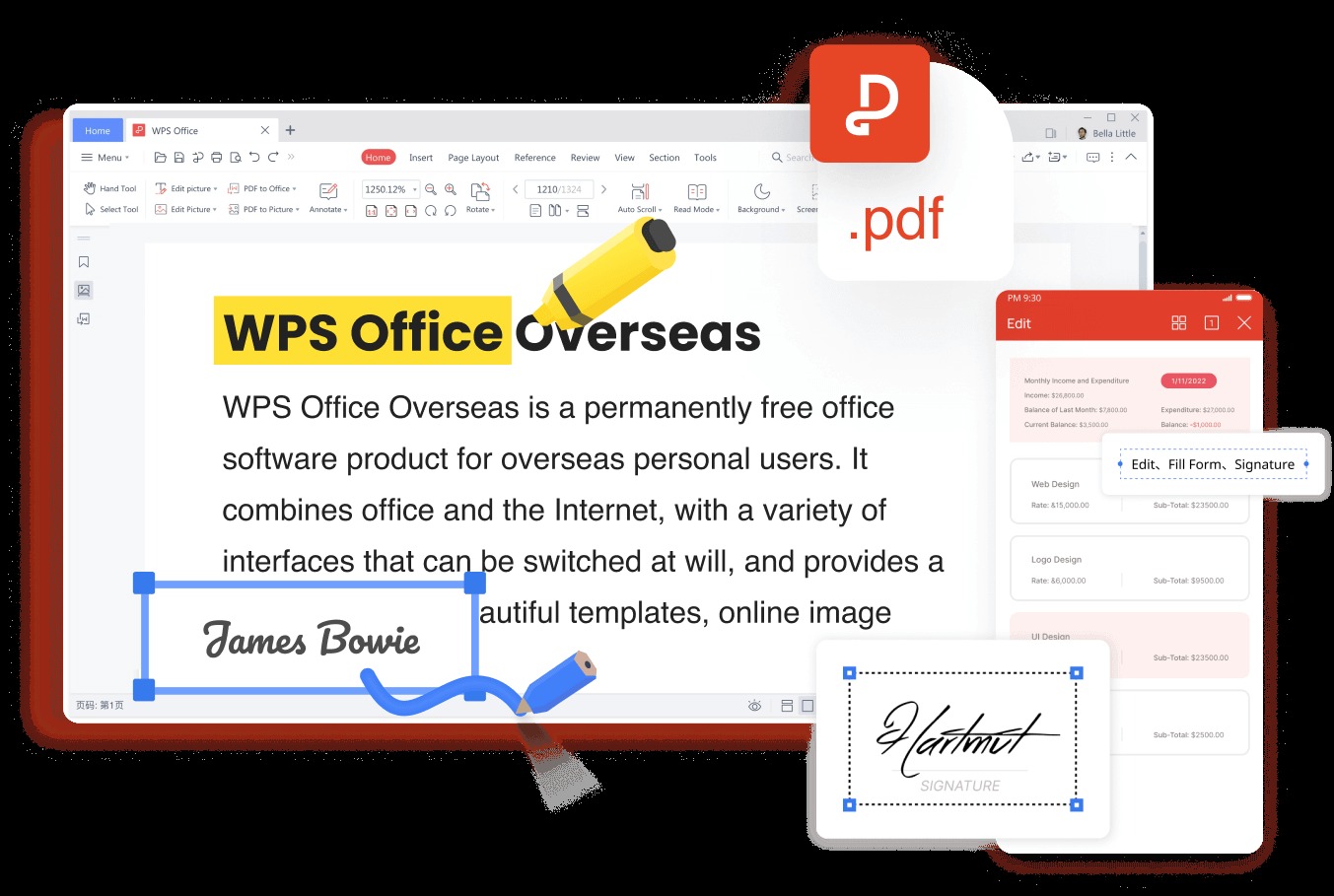
Signing a land grant application packet


Which File Format Keeps Land Grant Paperwork Readable in Twenty Years
This file will outlive three computers, so choose the format for the reader, not for the app you have open.
| Format | Use it for | Risk |
|---|---|---|
| PDF/A | Archive and agency filings | Bigger files, no editing, needs a clean scan |
| Searchable PDF | Sending and citing | Useless on a scan without an OCR layer |
| DOCX | Your own statements and notes | Layout drifts between Word, Docs, and WPS |
| JPG or TIFF | The raw capture of an original | No text layer; TIFF files grow fast |
Scan at 300 dpi for text and 600 dpi for faint seals, archive as PDF/A, work from a searchable PDF.
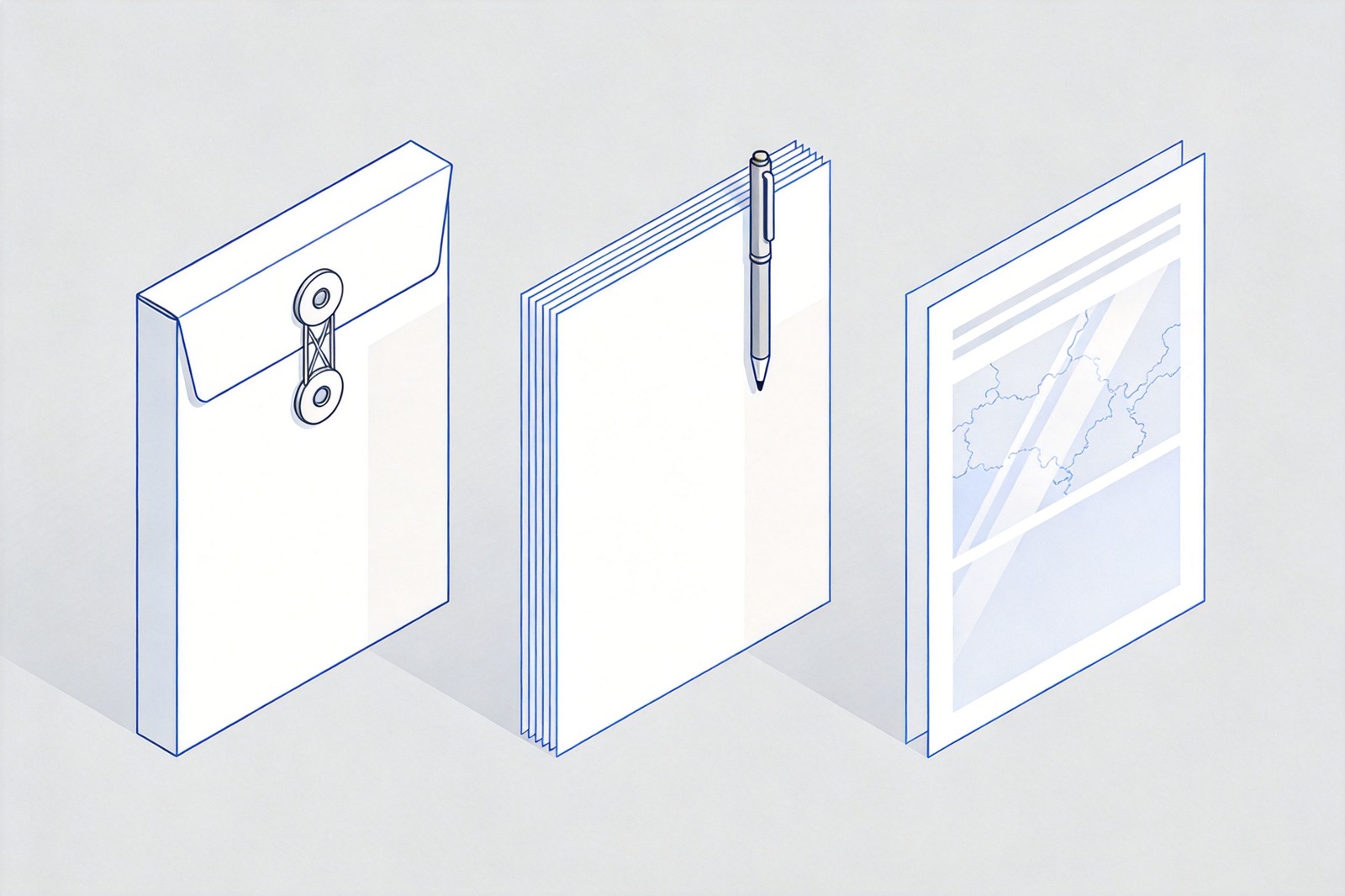
Archive formats for land grant paperwork
Land Grant Paperwork Mistakes That Cost Weeks
One archive only. A federal patent will not answer a Mexican community grant question.
Trusting an index. Open the image and confirm spelling and acreage yourself.
Sending a phone photo. A tilted photo is not a record copy.
No legal description. Without it, nothing ties the grant to a parcel.
Signing before filling. It reads as an edit and invites rejection.
Overwriting your only copy. Use File > Save As for each working copy.
Save As costs one keystroke and protects the file you cannot replace.
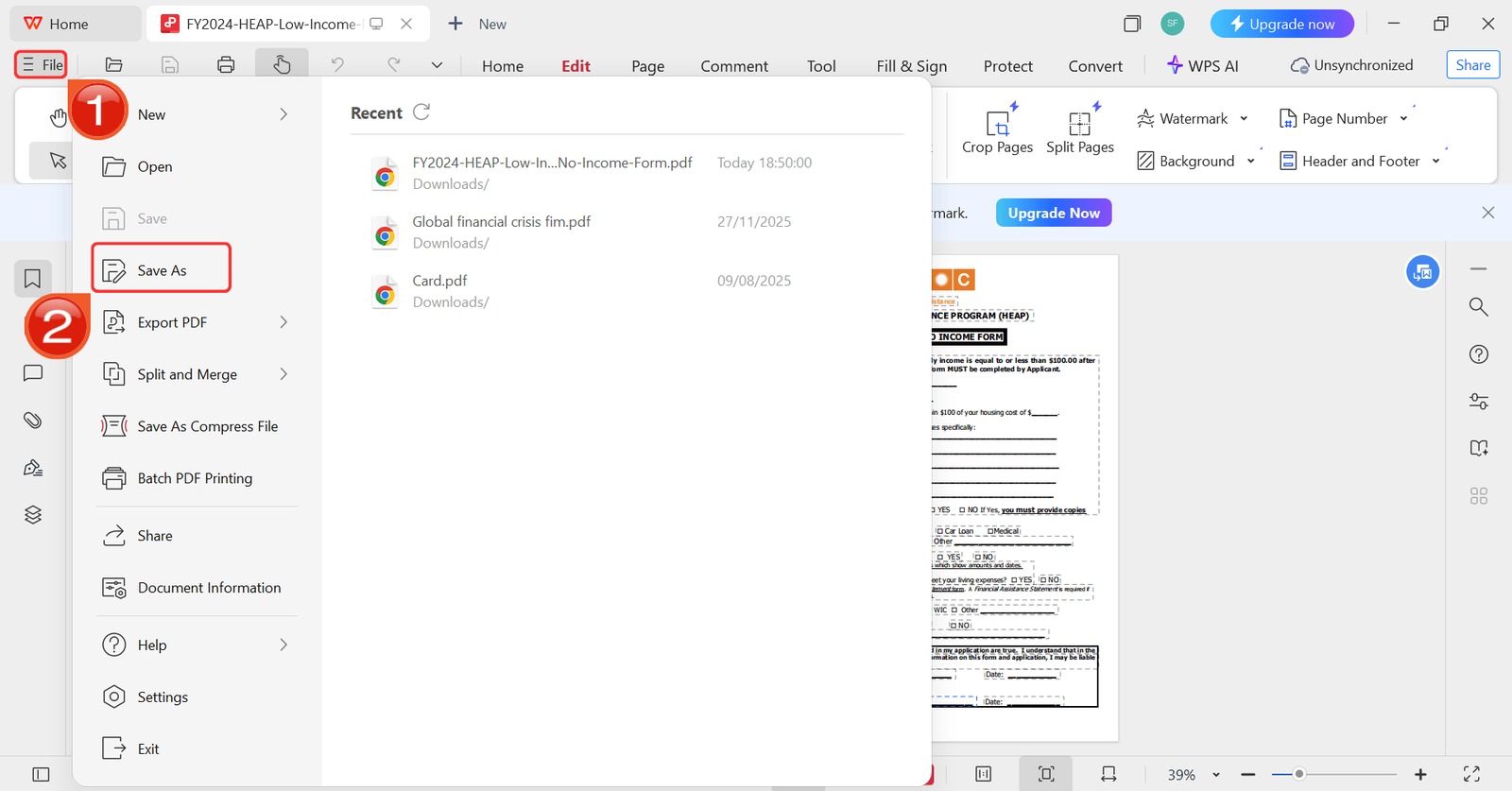
Save As protects the original patent
The Best Free Office Alternative: WPS Office
Grant research is a format mix: a patent scanned as a JPG, a form that only accepts PDF, a statement in DOCX. Paying for three apps to move one parcel through that is the slow part.
PDF work in one place: OCR a patent, fill a state form, sign, merge the packet, and compress it for a portal upload.
Word files that stay put: write the statement in Writer, open the archive’s .rtf or .doc copy, and export a fixed PDF when the office asks.
No licence check-in: the free version covers the reading, editing, and exporting this paperwork needs, on Windows, macOS, Android, and iOS.
Start with the file you already have — a patent scan or a blank form — and let the tool follow the document.
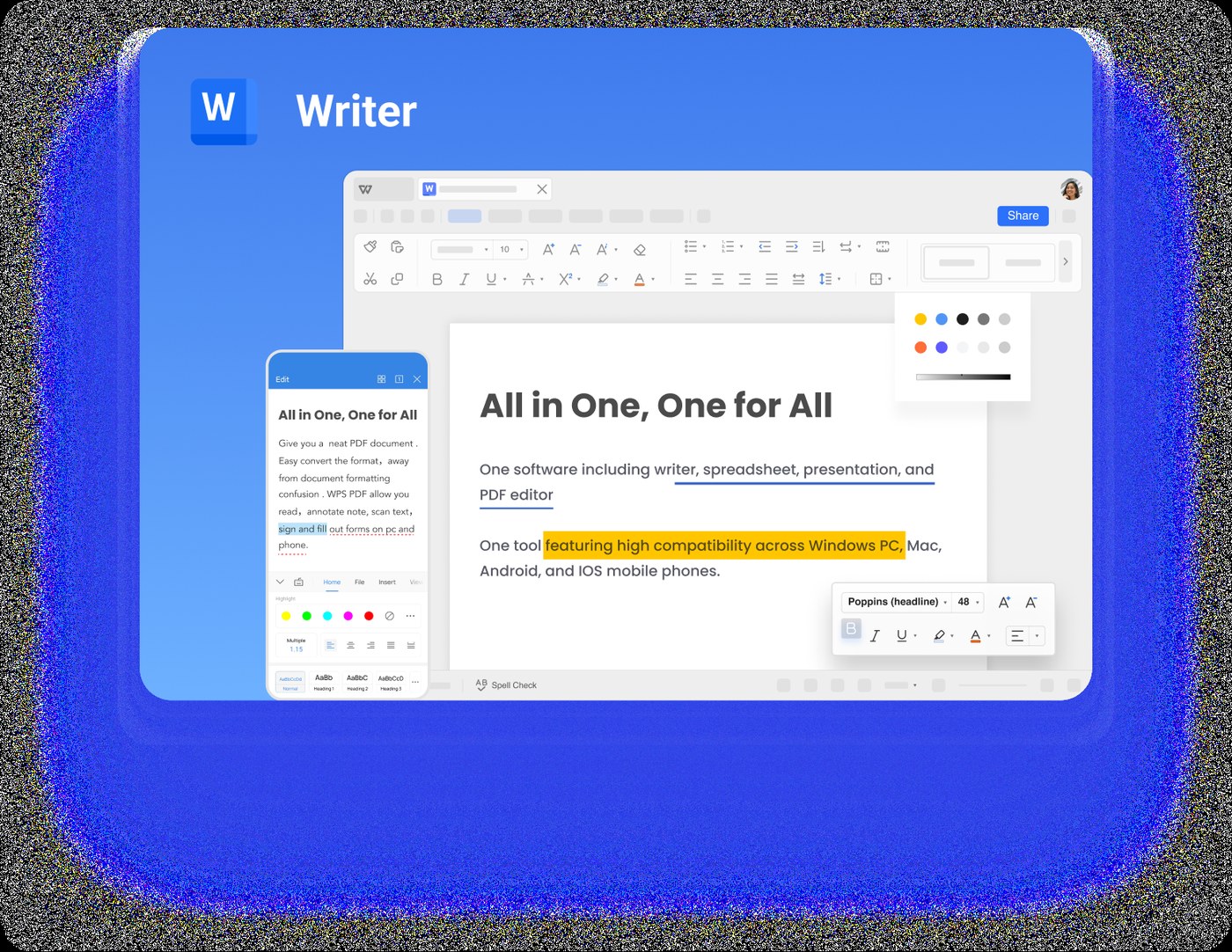
WPS Writer for drafting documents
FAQs
Do land grants still exist today?
Grants to individuals ended in 1976 in the lower 48 states and in 1986 in Alaska. What survives is the land-grant university system, older grants that were never sold, and a few state programs that still convey surplus land.
What is the difference between a land grant and a land patent?
The grant is the government’s decision; the patent is the document that conveys title and the one a title search cites. You describe a grant, but you prove it with a patent.
Can I get a land grant from the US government now?
There is no general federal program giving land to individuals. Surplus land is sold or transferred to agencies, and state offices occasionally offer parcels for development.
How do I find a land grant record for free?
Start with General Land Office records for federal patents, then the state archive for colonial and Mexican grants, then the county recorder. Searching is free; certified copies are the paid step.
Are Spanish and Mexican land grants still valid?
Many are, if the grant was confirmed after 1848, when the Treaty of Guadalupe Hidalgo promised to protect existing property. Community grants often lost shared grazing rights during confirmation, so read the confirmation file.