
How to Convert NotebookLM Slides into Editable PPTs

Four ways to keep NotebookLM's design while unlocking editable copy — starting with WPS AI Seamless Text Edit.

The Pain Point

NotebookLM slides look great — until you need to edit them

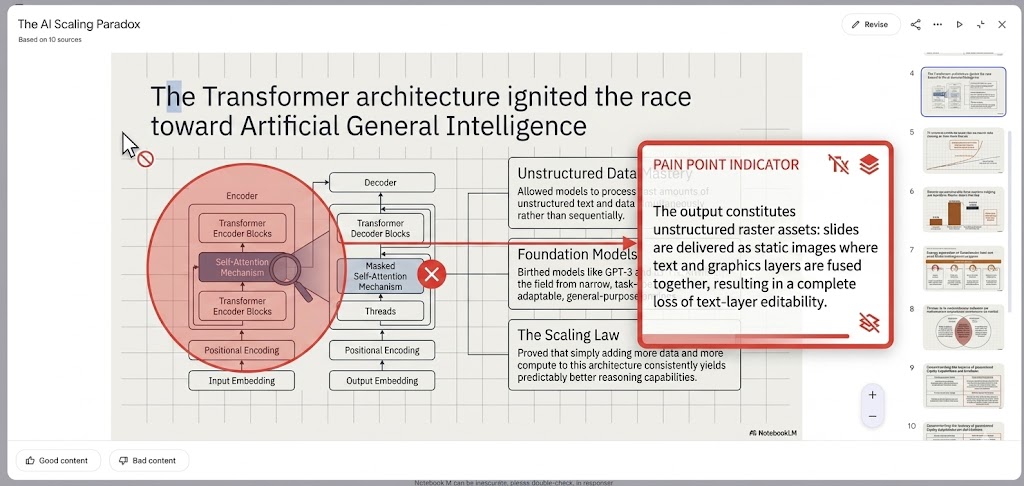
NotebookLM nails synthesis, narrative, and visual design — but the moment you need to tweak a headline or fix a bullet before presenting, you hit a wall. The deck looks finished; nothing inside it is truly editable.

The Painpoint of NotebookLM-generated slides

Beautiful output, zero editability

NotebookLM generates strong content and thoughtful slide design — but the deck is not an editable presentation file. You can review it, not rework it.

What this means in practice

No selectable text boxes, no inline copy edits, and no way to adjust a single bullet without regenerating or exporting elsewhere.

Export stops at PDF

For a long time, PDF was the only export. Text, layout, and graphics are baked in — you cannot edit them in PowerPoint without rebuilding from scratch.

What this means in practice

Every headline, chart label, and footnote is flattened. Even small copy changes force a full re-export or a third-party conversion workflow.

PPTX export is a band-aid, not a fix

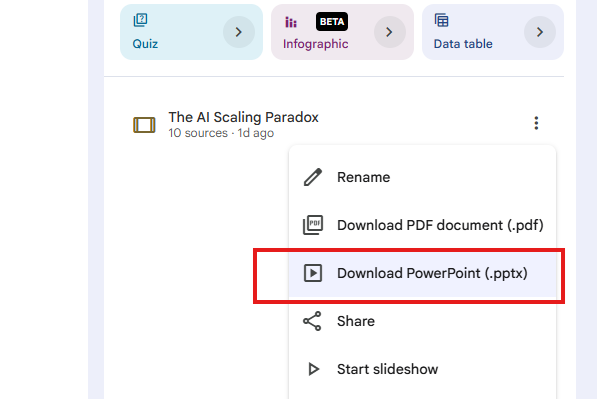
Since February 2026, NotebookLM added PPTX download — but each slide is a static image inside a .pptx wrapper. It looks like PowerPoint; it still does not behave like one.

What this means in practice

No live text boxes, no font-level edits, and no real online editing — which is exactly why the four strategies in this guide exist.

The core need

Keep every bit of the NotebookLM deck — content, design, and framework — and turn it into truly editable slides

Most users are not asking for a redesign. They want the AI-generated framework exactly as NotebookLM built it — with just enough editability to fine-tune copy, swap a bullet, or adjust a title before the meeting.

That is what this guide solves — starting with Strategy 01 · WPS AI Seamless Text Edit below.

01 Strategy 01

Strategy 01 · Preserve the NotebookLM deck with WPS AI Seamless Text Edit

The goal is not to export an outline and rebuild the UI in Gamma or Gemini Canvas. It is to keep NotebookLM's content, layout, colors, and graphics exactly as generated — then unlock the copy inside WPS Office with AI Seamless Text Edit.

The core logic

Edit the text layer without redesigning the slide

  • NotebookLM exports a PPTX — but each slide is still a static image. The design is preserved; the text is not selectable.
  • WPS Office treats that slide as a picture, then uses AI to pull text out of the image and place it in real text boxes.
  • AI Seamless Text Edit re-renders your revised copy to match the original font size, color, weight, and placement — so the slide still looks like NotebookLM built it.

Why this approach works

  • Keeps NotebookLM's original design, imagery, and slide structure intact
  • Edits happen online inside WPS — no round-trip through another design AI
  • AI recognition turns baked-in text into selectable boxes you can revise freely
  • After confirmation, typography and layout are restored to closely match the original slide
  • Ideal when you only need copy tweaks — headlines, bullets, labels — before presenting

Trade-offs to know

  • AI Seamless Text Edit is a paid WPS feature — free tiers may not include full access
  • Best for text changes; reshaping the whole layout still means manual design work
  • Dense or highly stylized text may need a second pass if recognition misses a phrase
  • Background graphics stay as images — only recognized text becomes independently editable
  • Complex decks may require repeating the flow slide by slide
Step-by-step in WPS Office
1Export from NotebookLM

Download the deck as PPTX

In NotebookLM, export your slide deck as PPTX. The file opens like PowerPoint, but each slide is a flat image — text, charts, and layout are baked in and cannot be edited yet.

Download the deck as PPTX
2Import into WPS Office

Open the PPTX in WPS Presentation

Launch WPS Office and open the exported file. You will see the same slides NotebookLM generated — visually complete, but still locked as pictures until you run the AI text tool.

Open the PPTX in WPS Presentation
3Select the slide

Click the slide you want to edit

Select the target slide in the thumbnail pane. WPS automatically switches the top ribbon to Picture Tools because the slide content is treated as an image layer.

Click the slide you want to edit
4Launch AI Seamless Text Edit

Picture Tools → AI → AI Seamless Text Edit

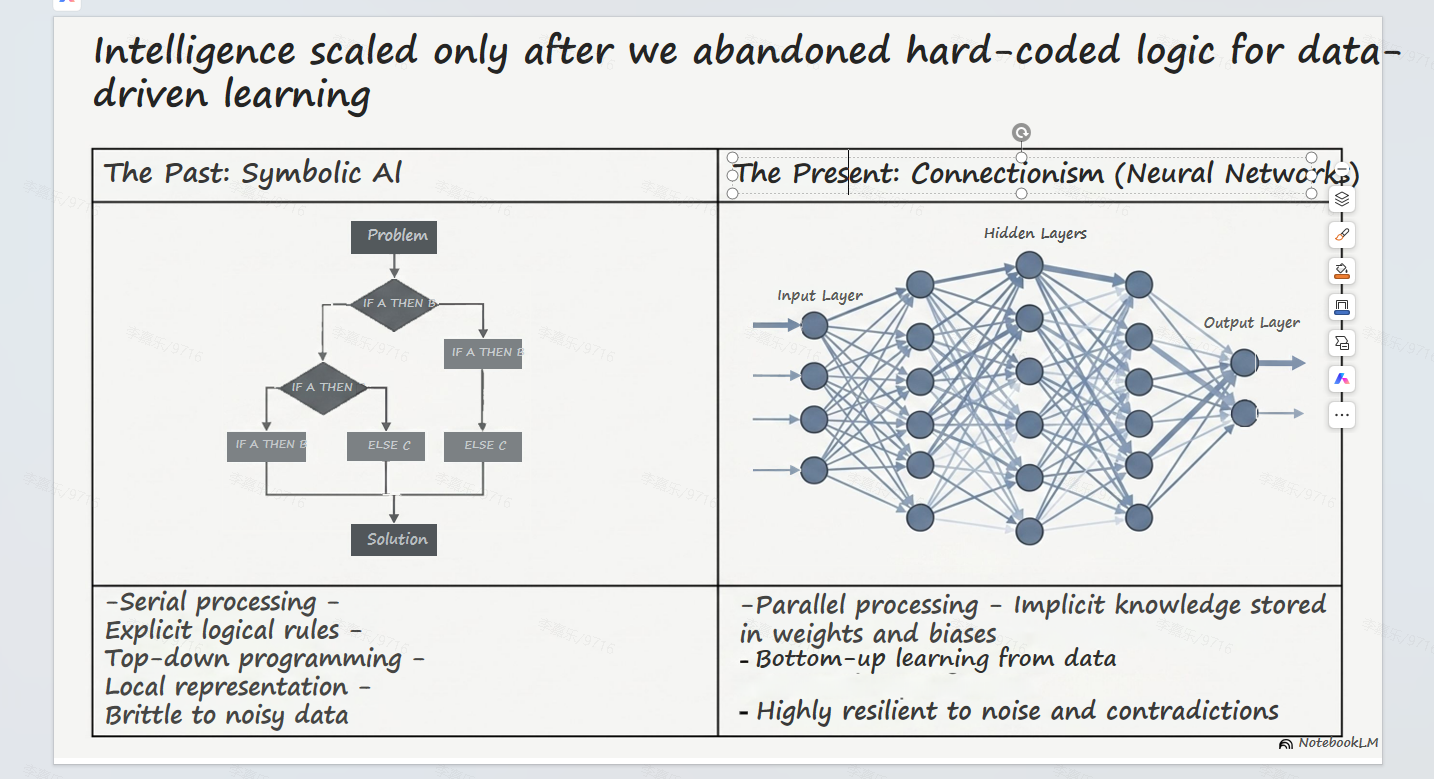
In the ribbon, open the AI tool group under Picture Tools, then choose AI Seamless Text Edit . WPS scans the slide image, detects text regions, and lifts them into separate editable text boxes while keeping the underlying design in place.

Picture Tools → AI → AI Seamless Text Edit
5Edit the copy

Revise text in the extracted boxes

Click any generated text box — title, subtitle, bullet, or label — and rewrite the wording. You are only changing copy, not rebuilding the slide from an outline or alternate template.

Revise text in the extracted boxes
6Confirm the update

Apply changes with design fidelity

Press confirm. WPS AI re-renders the updated text onto the slide, matching the original font size, color, weight, and positioning as closely as possible. Repeat on any other slides that need copy changes.

This is the fastest path when preservation matters more than a full redesign — but plan for WPS AI credits or subscription access.

Apply changes with design fidelity
02 Strategy 02

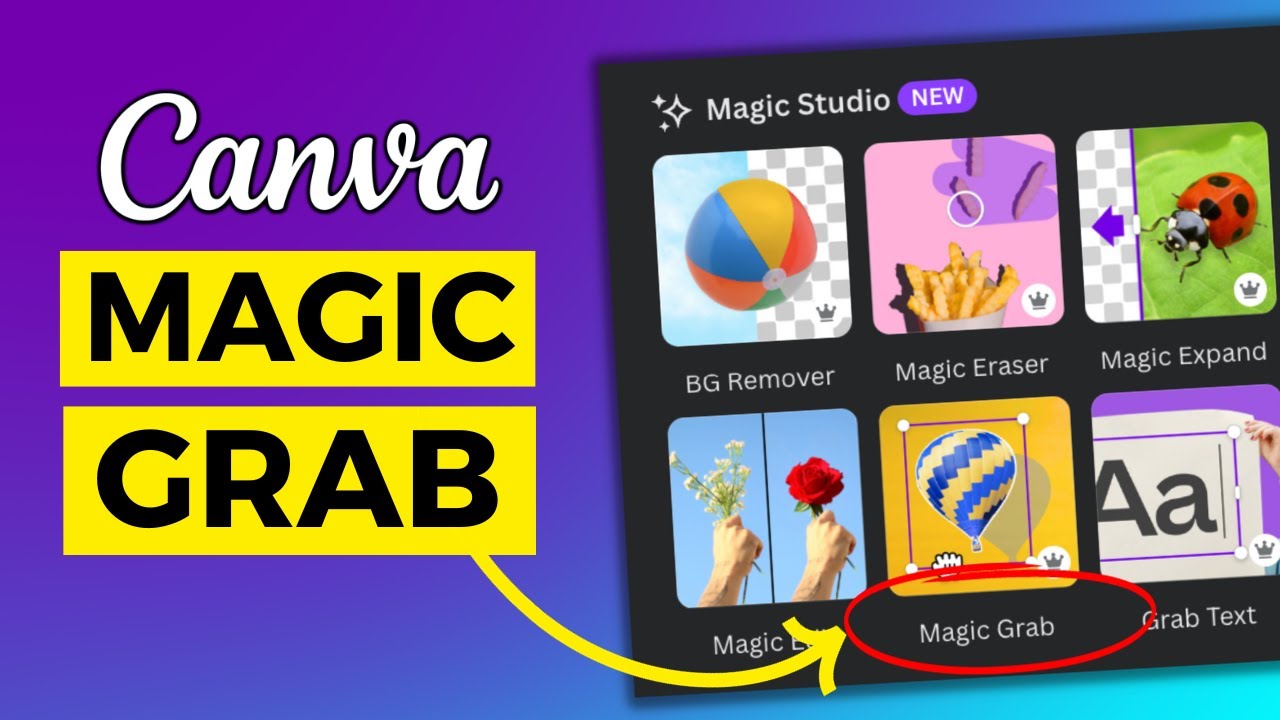
Strategy 02 · Canva Magic Grab: extract text from flat slides

Pull editable text out of a flat NotebookLM PDF with Canva Magic Grab.

The core logic

Grab text out of the flat layer

  • Start from a NotebookLM PDF export
  • Magic Grab splits text into editable layers
  • Export back to PPTX when done
 Canva Magic Grab: extract text from flat slides
Step-by-step · Canva Magic Grab
1Upload PDF to Canva

Import your NotebookLM PDF

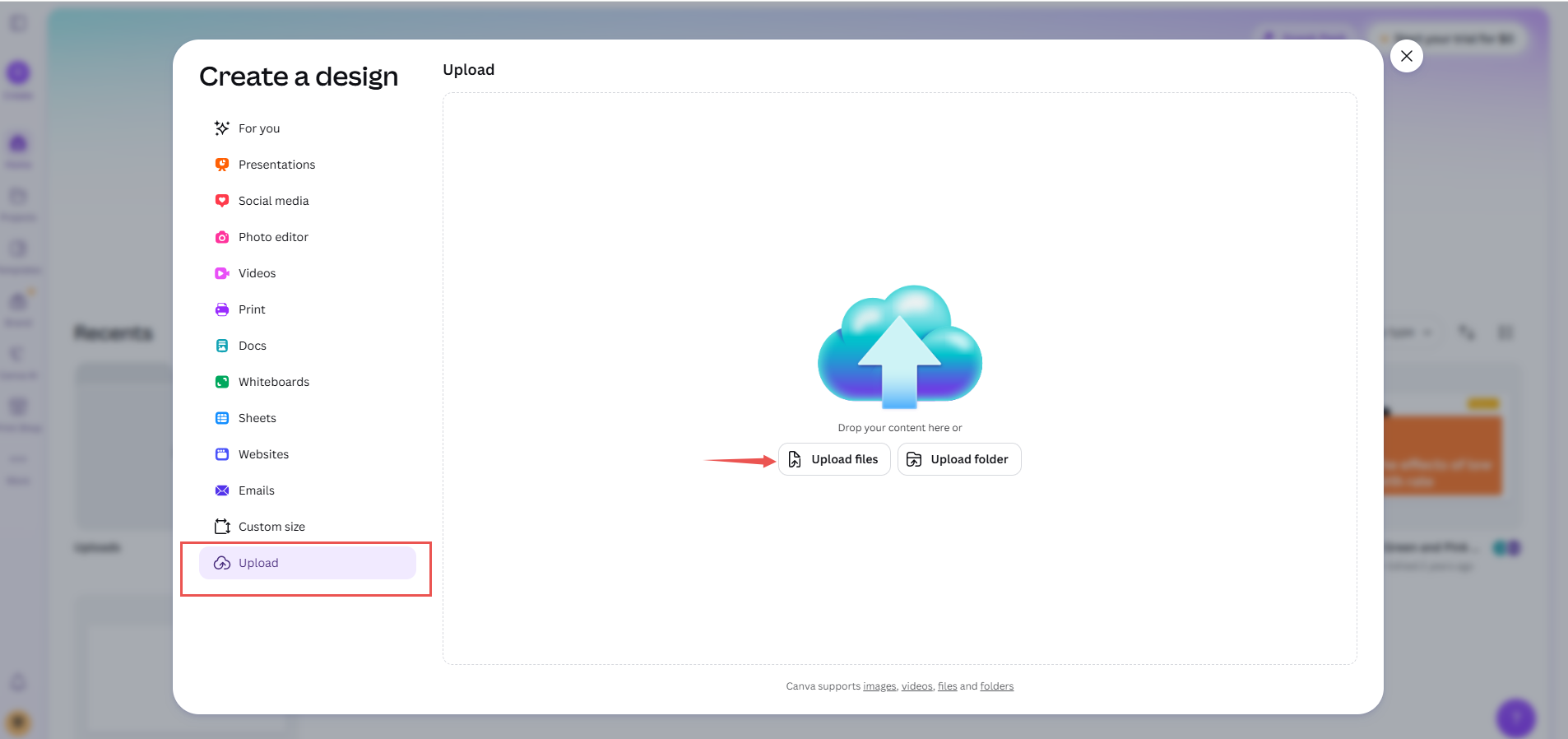
Export the deck from NotebookLM as PDF, then upload it to Canva as a new design or import into an existing presentation project.

Import NotebookLM PDF to Canva
2Open Magic Grab

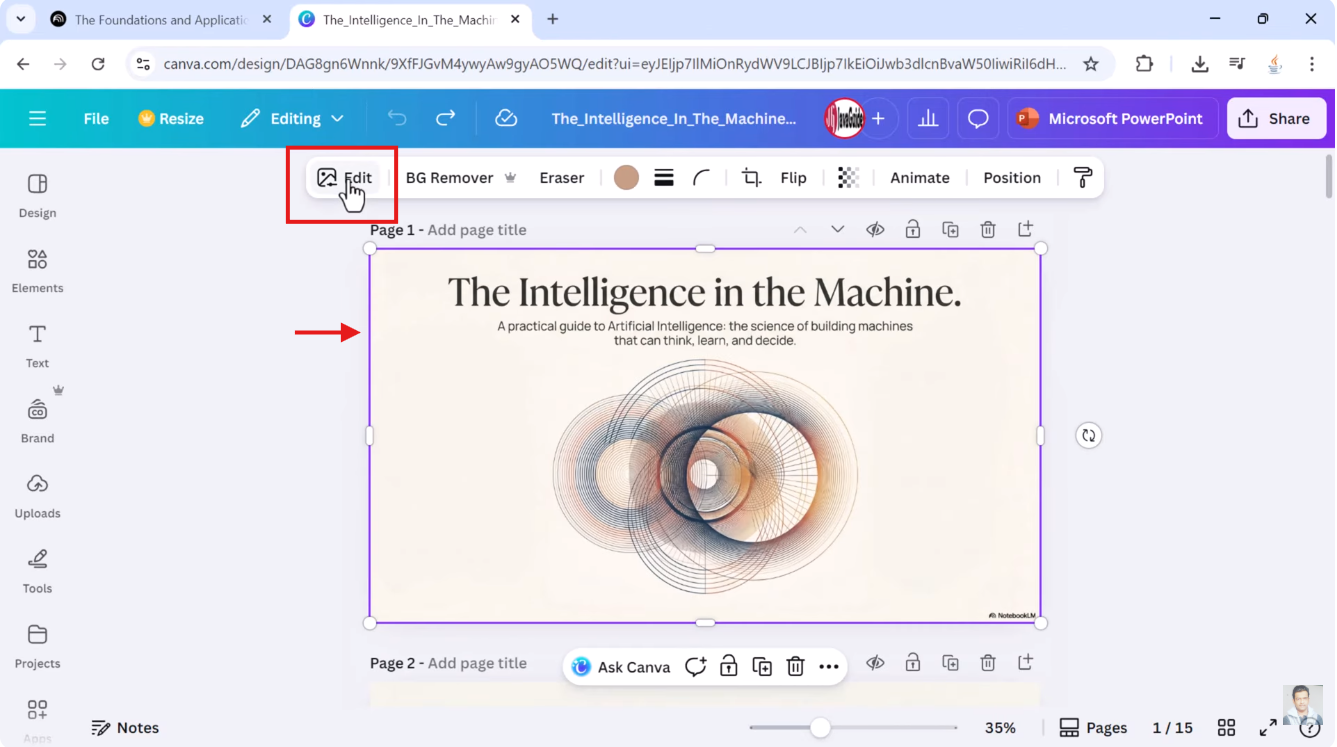
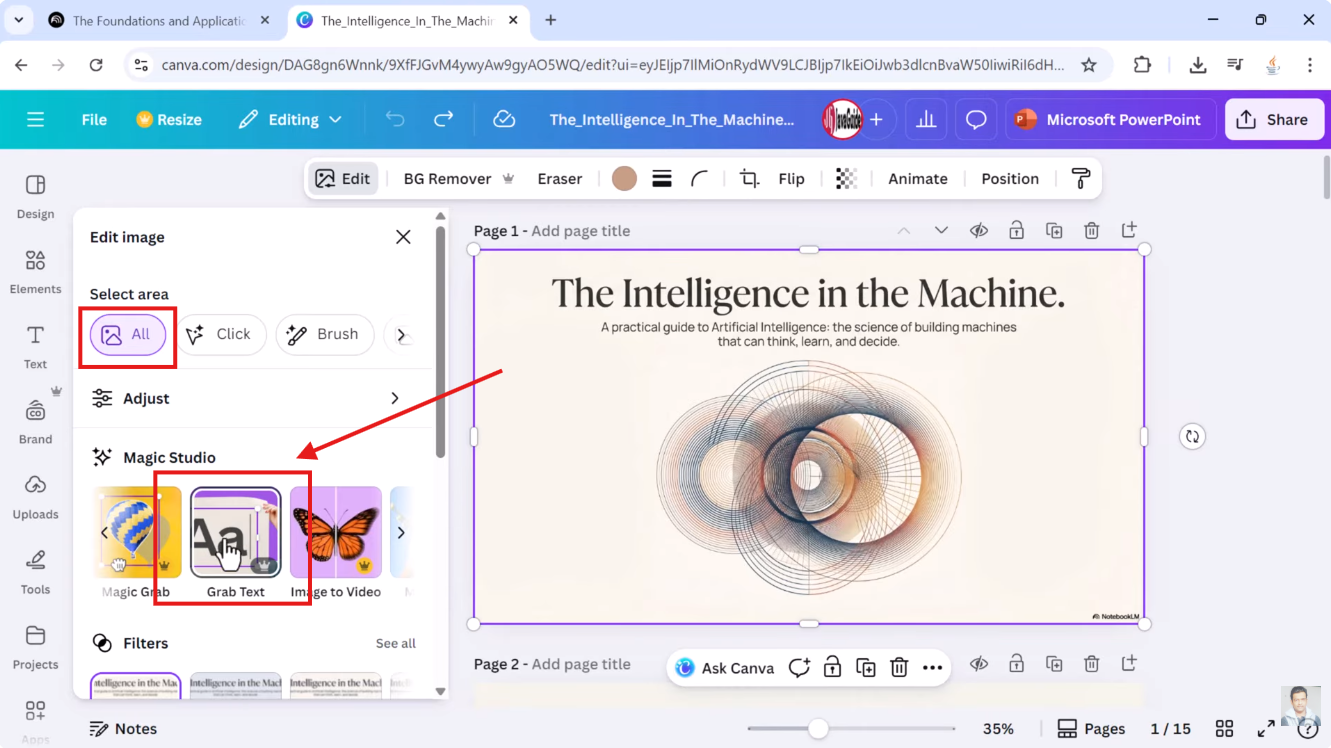
Edit Photo → Grab Text

Select the slide page, open Edit Photo, then choose Grab Text (Magic Grab) to isolate flattened copy from the slide art.

Canva Magic Grab — Grab Text
3Edit the extracted text

Revise copy in live text layers

Click the grabbed text elements and rewrite headlines, bullets, or labels. Repeat on each slide that needs changes.

Edit extracted text in Canva
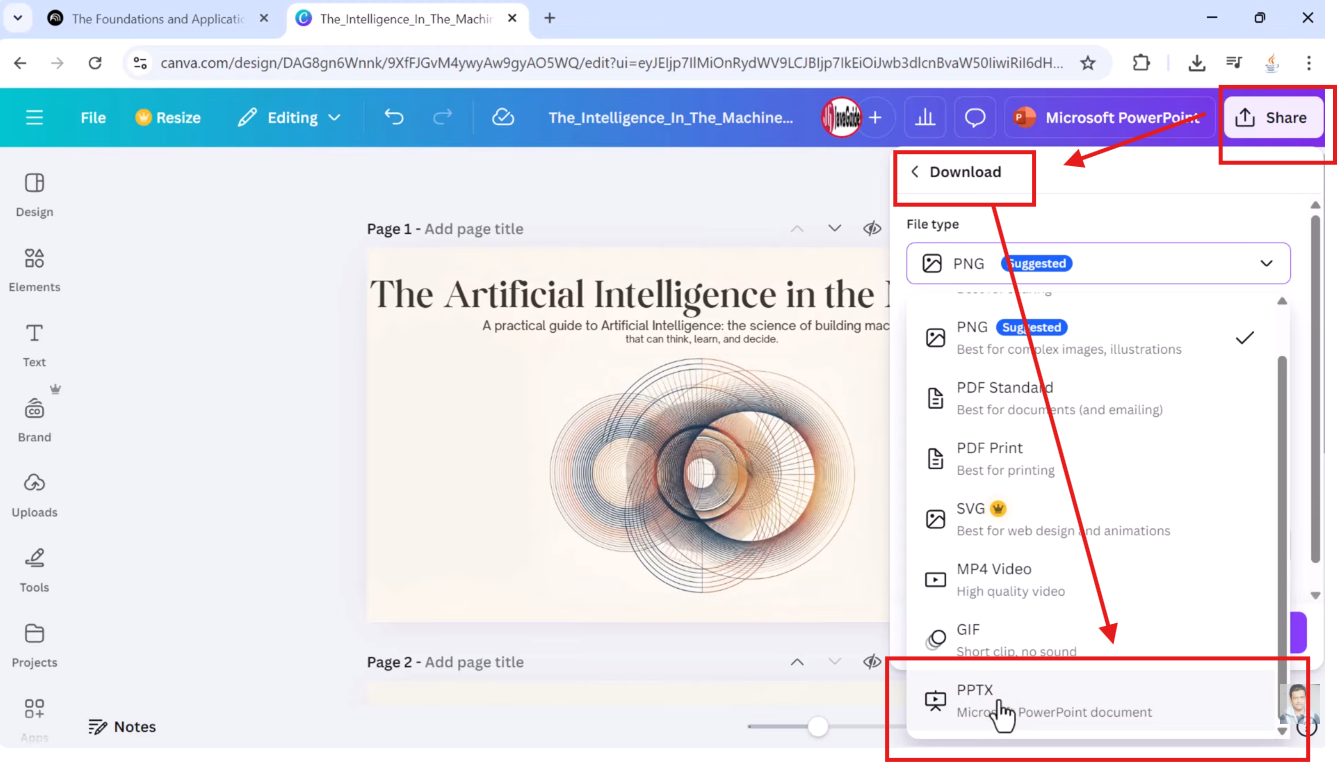
4Export PPTX

Download an editable PowerPoint file

When edits are done, export as PPTX and open in PowerPoint or WPS — text boxes remain editable for final tweaks.

Export editable PPTX from Canva
03 Strategy 03

Strategy 03 · Vertical converters like Codia.ai

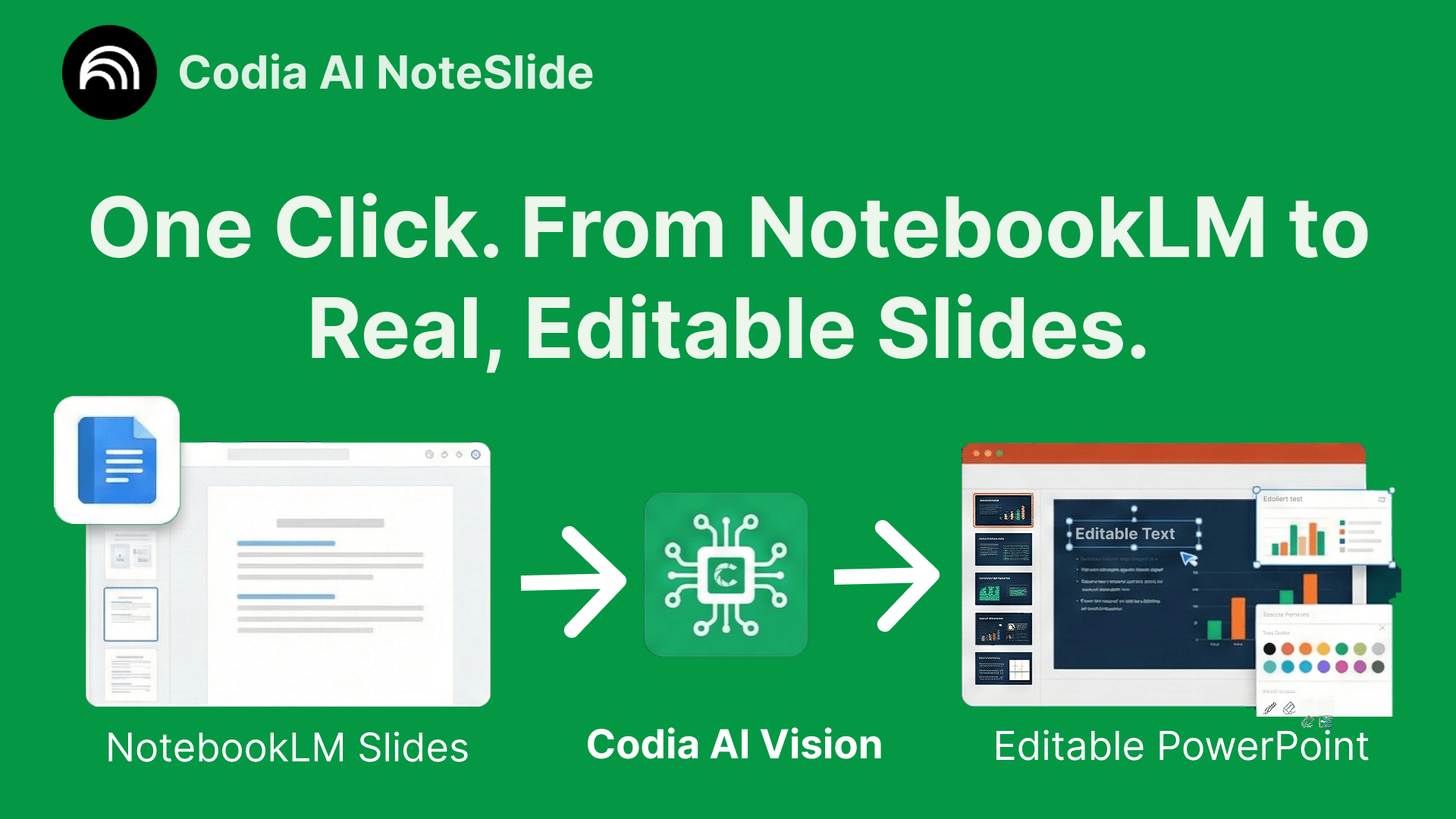
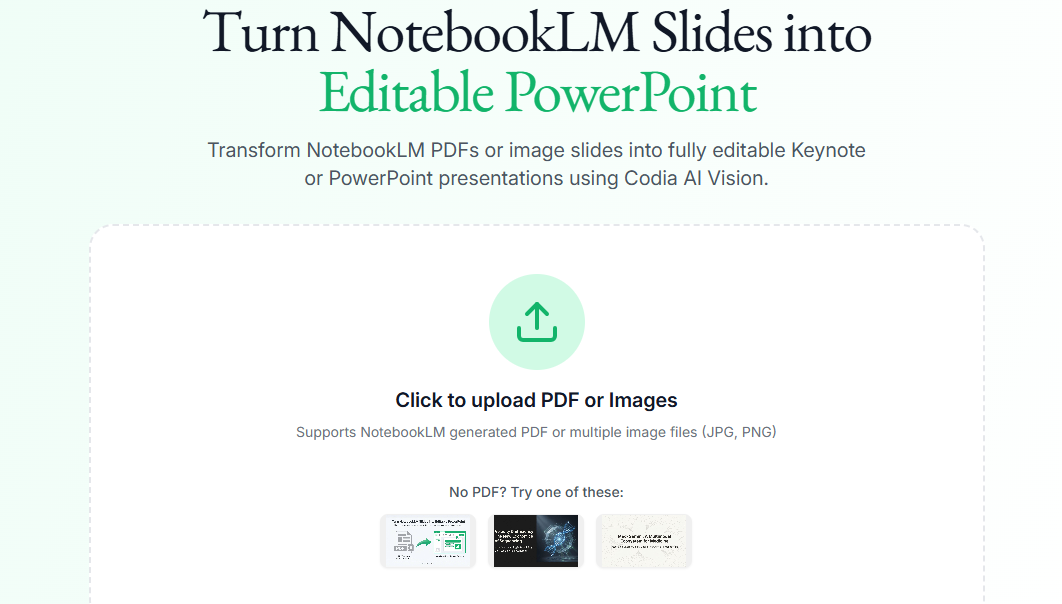
Purpose-built sites such as Codia.ai focus on one job: turn a flat NotebookLM PDF into a truly editable PPTX. The experience is closer to WPS AI Seamless Text Edit, but optimized for upload-and-convert — with stronger text recognition in many cases.

The core logic

One upload, one editable deck

  • Upload your NotebookLM PDF — no PPTX prep, no outline extraction, no second design tool.
  • The platform rebuilds the file as an editable PPTX with real text boxes, not slide-sized images.
  • Download and open in PowerPoint or WPS — the deck stays editable for copy changes slide by slide.
Vertical converters like Codia.ai

Why teams pick vertical converters

  • One-click simplicity — upload PDF, wait for conversion, download PPTX
  • Higher edit accuracy than WPS in many decks — text regions are detected and rebuilt more reliably
  • Better font blending — typography tends to sit more naturally against the original slide art
  • Exported PPTX opens in PowerPoint/WPS with live text boxes, not static images
  • Purpose-built for this exact NotebookLM pain point — no general design learning curve

Trade-offs to know

  • Pro plans required for full decks — free tiers often cap you at about 5 slides
  • Font fidelity is not perfect — exported slides may substitute similar fonts, so typography can shift slightly vs NotebookLM
  • Another paid subscription if you already use WPS AI credits
  • Less control than manual Magic Grab on individual elements when you need pixel-level tweaks
  • Third-party cloud upload — check privacy if the deck contains sensitive research
Step-by-step · Codia.ai example
1Export from NotebookLM

Download your slide deck as PDF

From NotebookLM, export the presentation as a PDF. This is the input vertical converters expect — a flat, non-editable snapshot of every slide.

NotebookLM PDF export
2Upload to Codia.ai

One-click PDF upload

Open Codia.ai (or a similar vertical converter), upload the PDF, and start conversion. No manual slide selection or picture-tool menus — the platform handles the full deck in one pass.

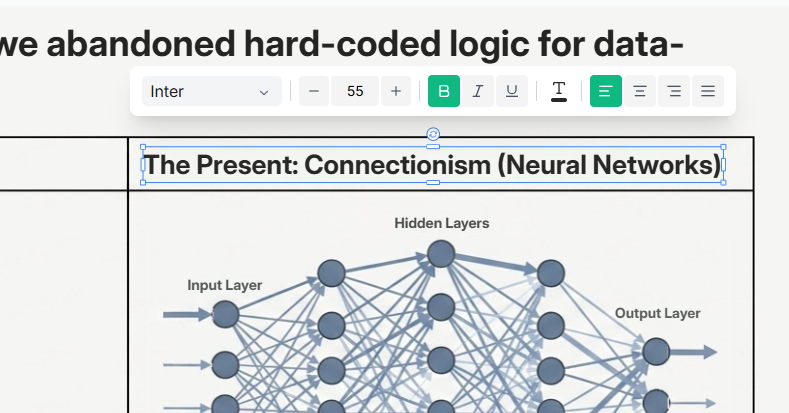
Online text editing
3Edit in the browser

Fine-tune copy with higher accuracy

Once converted, edit text directly in the online workspace. Compared with WPS AI Seamless Text Edit, many users find recognition and replacement accuracy stronger — and fonts blend into the slide more cleanly — though results vary by deck complexity.

Free plans typically allow edits on roughly 5 slides; full-deck workflows require Pro.

Online text editing
4Export PPTX

Download and open in PowerPoint or WPS

Export the finished file as PPTX. Open it in PowerPoint or WPS Presentation — text boxes remain editable. Expect minor font substitutions vs the original NotebookLM slide; verify headings on a few slides before presenting.

Editable PPTX export

WPS vs vertical converters: WPS AI Seamless Text Edit is best when you already work in WPS and want maximum layout fidelity on each text swap. Tools like Codia.ai trade a bit of font exactness for faster bulk conversion and, in many cases, sharper text extraction — at the cost of a Pro plan for decks longer than five slides.

04 Strategy 04

Strategy 04 · NotebookLM AI chat: edit slides in conversation

NotebookLM ships with a built-in AI chat panel beside your slide deck. Instead of exporting to WPS or Canva, you describe the change in natural language and the model regenerates the slide — all without leaving NotebookLM.

The core logic

Talk to the deck, not the text boxes

  • Open your NotebookLM slide deck and use the side-panel AI chat — the same interface you use to ask questions about your sources.
  • Describe copy or visual tweaks in plain language; NotebookLM re-renders the affected slide instead of exposing editable text layers.
  • Work slide by slide — each prompt targets one page, then you review before moving on.
NotebookLM AI chat: edit slides in conversation

Why teams try in-app chat editing

  • No export step — edit directly inside NotebookLM where the deck was generated
  • Conversational workflow — describe changes in natural language instead of clicking text boxes
  • Stays within NotebookLM's own design language — no third-party tool learning curve
  • Fast for a single headline or bullet swap when you do not need a separate PPT file yet
  • Included with NotebookLM — no extra converter subscription

Trade-offs to know

  • Not very intelligent for nuanced requests — the model can misread intent or miss context
  • Slow at scale — you must prompt and review one slide at a time
  • Limited design control — cannot retheme, restructure layouts, or make major visual overhauls
  • Instruction drift — a one-line edit can scramble nearby layout elements on the same slide
  • Output stays inside NotebookLM — still not a truly editable PPTX you can hand off in PowerPoint
Step-by-step · NotebookLM AI chat
Native chat workflow

Edit through the NotebookLM side panel

Use the integrated AI chatbox to request slide changes conversationally. The tutorial and screenshots below follow the original in-app editing flow.

1Use the side panel to issue edits

Conversational editing replaces click-to-type

With your slide deck open in NotebookLM, open the AI chat sidebar. Instead of clicking on flattened text, describe the change you want in natural language and the agent re-renders that slide inside NotebookLM.

Prompt example: "On slide 4, change the second bullet point from 'Global Expansion' to 'Regional Target Markets' and make the header deep blue."
Visual tweaks via NotebookLM AI chatbox — side panel editing
2Review and iterate slide by slide

Page-by-page prompting is the bottleneck

Check the regenerated slide, accept or re-prompt, then move to the next page. There is no bulk "edit the whole deck" command — a 20-slide deck means up to 20 separate conversations.

Limitation: Instruction drift is common. A small wording change can shift nearby icons, spacing, or colors — and major layout redesigns are out of scope.

Visual tweaks via NotebookLM AI chatbox — slide-by-slide review
At a glance

Compare all four workflows

Each path has clear strengths and trade-offs. Filter by what matters most, then expand any card for workflow detail.

01

WPS Seamless Text Edit

PPTX
Effort
Per slide
Layout
High
Price
Paid
Best for
Copy tweaks, max fidelity

Strengths

  • Best layout & typography fidelity
  • Keeps NotebookLM design intact
  • Real PPTX text boxes

Weaknesses

  • Paid WPS AI feature
  • Repeat per slide on long decks
  • Copy edits only — not layout redesign
Workflow

NotebookLM PPTX → WPS → Picture Tools → AI Seamless Text Edit → edit boxes → confirm.
See tutorial
02

Canva Magic Grab

PPTX
Effort
Manual
Layout
Medium
Price
Canva Pro
Best for
Spot edits, object control

Strengths

  • Pick exactly which text to grab
  • Works from NotebookLM PDF
  • Exports editable PPTX

Weaknesses

  • Canva Pro for full Magic Grab
  • Dense slides break font matching
  • Tedious slide-by-slide manual work
Workflow

PDF → Canva → Magic Grab per slide → export PPTX.

See tutorial
03

Codia.ai

PPTX
Effort
One upload
Layout
Med–High*
Price
Pro (~5 free)
Best for
Bulk convert, fast PPTX

Strengths

  • Fastest full-deck PDF → PPTX
  • Stronger text recognition vs WPS*
  • One-click upload workflow

Weaknesses

  • Pro required beyond ~5 slides
  • Fonts may shift vs original
  • Third-party cloud upload
Workflow

PDF upload → auto convert → edit online → download PPTX. *Results vary by deck.

See tutorial
04

NotebookLM AI chat

In-app
Effort
Per slide chat
Layout
Low
Price
Free
Best for
1–2 quick in-app edits

Strengths

  • No export — edit in NotebookLM
  • Free, conversational prompts
  • Fast for a single copy swap

Weaknesses

  • Not smart on nuanced requests
  • One slide per prompt — slow at scale
  • No downloadable editable PPTX
Workflow

Open deck → side-panel chat → prompt per slide → review regen.

See tutorial

Need max fidelity?

→ Strategy 01 · WPS

Need speed + PPTX?

→ Strategy 03 · Codia.ai

Just 1–2 tweaks?

→ Strategy 04 · Chat

Pricing is indicative — verify current plans on WPS, Canva, Codia.ai & NotebookLM.

FAQs

Common questions

Quick answers before you pick a workflow.

Why can't I edit NotebookLM slides directly?

NotebookLM renders each slide as a finished visual — even PPTX export wraps static images, not live text boxes. You need a post-processing step to unlock edits.

Which method should I try first?

If you already use WPS and care about layout fidelity, start with Strategy 01. Need a full deck fast? Try Strategy 03.

Do all four methods produce an editable PPTX?

Strategies 01–03 export real PPTX text boxes. Strategy 04 keeps changes inside NotebookLM only.

Turn NotebookLM slides into editable decks with WPS

Export your NotebookLM PPTX, open it in WPS Presentation, and unlock copy edits with AI Seamless Text Edit — keep the original design without rebuilding in Gamma or Gemini.